

























































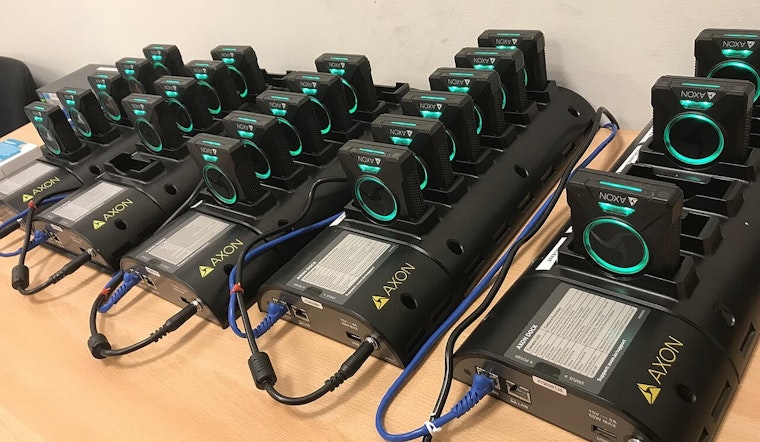
The Bexar County Sheriff’s Office is training patrol deputies to use a new artificial intelligence translation assistant that lives inside their Axon body cameras, a tool meant to turn spoken conversations into transcripts and translated audio in near real time, so they are not waiting around for in-person interpreters on calls.
According to WOAI, the Axon Translation Assistant plugs directly into the department’s existing body camera and digital evidence software and offers real-time audio transcription plus broad language support. The sheriff’s office told the station that patrol training is already underway and that the feature is expected to cut the wait time for an in-person translator.
How The Translation Assistant Works
Axon says its Real Time Translation runs on Axon Body 4 cameras and the broader Axon Assistant platform, automatically detecting spoken languages, then providing push-to-talk two-way voice translation and written transcripts. According to Axon, the translated audio and transcripts are saved to Axon Evidence so supervisors and legal teams can later review the interaction and double-check accuracy.
Why Bexar Can Flip The Switch Now
The sheriff’s office was already bought in on the Axon platform, with the county purchasing hundreds of Axon body cameras under a multi-year deal, which made it relatively simple to tack on the translation assistant, as reported by the San Antonio Express-News. Federal grant money helped cover the first wave of cameras, docking stations, and cloud storage, clearing some of the financial path for layering on new AI tools later, according to Spectrum News.
Other Departments Already Using The Tech
Bexar is not the first agency to lean on Axon’s translation assistant. Flagler County in Florida recently rolled out Axon Assistant and said the system can translate more than 50 languages, with part of the cost covered by a state grant, according to FOX 35 Orlando. In Kansas, Wichita police have tried the feature with a limited pool of officers and showed off instant translations during field demos, per KWCH.
Privacy, Accuracy And Oversight
Civil liberties groups have been clear that they are uneasy with AI tools in policing, arguing that systems can be inaccurate, biased, or simply too opaque. The ACLU has flagged automated report writing and related AI uses that could sway criminal justice outcomes and is pushing for strict limits and real transparency around how these tools are deployed. For its part, Axon says it builds in safeguards, such as labeling AI-generated material as unverified until an officer reviews it and preserving translated audio and transcripts so there is a record for oversight.
Advocates counter that protections only work if agencies set tight policies, train officers thoroughly, and submit the tools to independent scrutiny. Early pilots have also shown that performance can suffer when connectivity drops and that the software is no substitute for certified human translators in serious or complex situations, with more detail laid out in Axon.
Patrol training on the translation assistant is in progress, and BCSO told WOAI the agency plans to move the feature across its patrol operations, although there is no firm date yet for full deployment. As Bexar weaves the tech into everyday calls, the county joins a growing list of departments trying to speed up communication while staring down the familiar questions of accuracy, transparency, and who is really watching the machines.



