

























































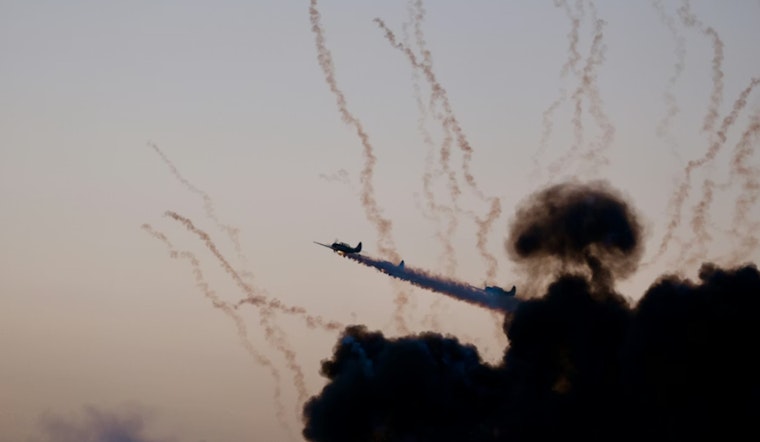
Israeli strikes across southern Lebanon on Sunday left at least 14 people dead and 37 wounded, Lebanon's health ministry said, turning a tense front into a deadly one yet again. The dead included two children and two women, and the bombardment landed amid renewed cross-border clashes and fresh evacuation warnings. Israel reported that one of its soldiers was killed and several others wounded as the exchanges intensified along the Litani River, while residents and rescue teams scrambled to pull civilians out of targeted towns.
According to the Honolulu Star-Advertiser, which cited Lebanon’s Health Ministry, the April 26 strikes hit multiple villages in the Nabatieh and southern districts, injuring dozens and tearing through homes and community infrastructure. State and local responders described chaotic scenes as families piled into cars, others fled on foot, and roads out of the south quickly clogged.
Evacuations and Military Claims
The Israeli military warned residents to evacuate seven towns beyond the “buffer zone” it occupied before the current truce and said its forces had struck what it described as Hezbollah fighters, rocket launchers and a weapons depot, according to reporting by Channel NewsAsia, which credited Reuters. Military spokespeople also said air defenses intercepted drones before they could cross into Israeli airspace, as sirens wailed across northern Israeli communities. Prime Minister Benjamin Netanyahu told his Cabinet that Israel would "act vigorously" to protect its citizens while operating within the terms of the U.S.-brokered arrangement.
Hezbollah said it had attacked Israeli troops inside Lebanon as well as the rescue force sent to evacuate them, vowing to continue its strikes if, it argued, Israel persisted in what the group called "ceasefire violations," as reported by The Straits Times. The Israeli military, for its part, reported that one soldier was killed and six others were wounded during Sunday’s operations.
Human Toll and Diplomatic Context
The latest violence is part of a broader campaign that Lebanon's health ministry says has killed more than 2,500 people since fighting flared on March 2, with hundreds of medics and children among the dead, according to reporting by Al Jazeera. The United States helped broker a temporary ceasefire that took effect on April 16 and was later extended, an effort Washington described as a way to buy time for direct talks between Beirut and Jerusalem, according to coverage of a three-week Israel-Lebanon truce.
Diplomats and aid organizations warn that the pause is likely to be tested by repeated breaches and large-scale displacement, and say the U.S. role in steering talks will be critical if the truce is to hold, per reporting by L'Orient Today. In the meantime, residents of the newly flagged towns are pushing north, while humanitarian groups race to provide shelter, food and medical care to those caught in the latest round of strikes.


