

























































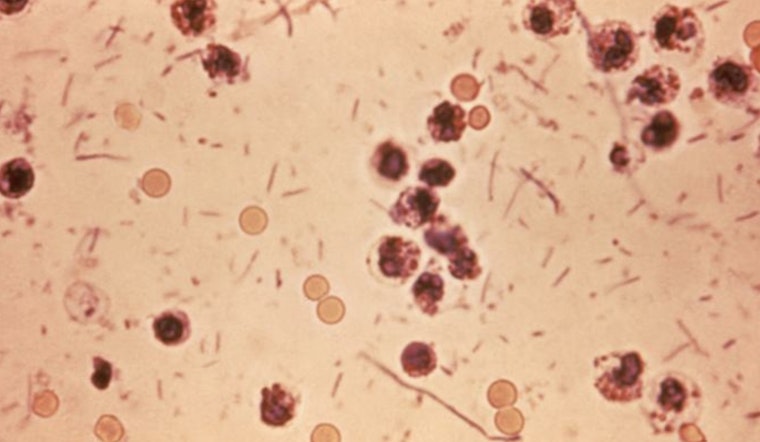
A fast spreading, antibiotic resistant strain of Shigella, the bacteria that cause shigellosis, is turning up in parts of New York and triggering fresh warnings from public health officials. The strain, classified as extensively drug resistant (XDR), can cause severe, sometimes bloody diarrhea and shrugs off many of the oral antibiotics doctors usually reach for.
CDC Data Shows Drug-Resistant Cases Climbing
Federal surveillance published this month found that the share of Shigella isolates considered extensively drug resistant rose from 0% in 2011–2015 to 8.5% in 2023, and health authorities estimate hundreds of thousands of Shigella infections occur in the U.S. each year. The national report also found that most XDR patients were adult men and that roughly one third of patients with XDR needed hospitalization, patterns researchers say raise the risk of ongoing transmission, according to MMWR and CDC.
Signs It Is Taking Hold In New York
The uptick has started to surface in local reports. On April 15, Hudson Valley Post flagged a state level alert, and earlier this year Broome County officials told WBNG they were investigating a cluster that appeared to be sustained locally. The county’s medical director said many of the recent cases were linked to one another rather than being brought in from elsewhere, a pattern that suggests community spread, per Hudson Valley Post and WBNG.
How It Spreads And Who Is At Risk
Shigella spreads by the fecal oral route and can make someone sick after they ingest only a tiny number of bacteria. Infection can happen through contaminated food or water, touching contaminated surfaces and then the mouth, or during sexual activity that involves exposure to stool. Local health guidance stresses the basics: wash hands thoroughly, keep sick children out of childcare, do not prepare food for others while ill, and clean any surfaces that might be contaminated. The New York City Department of Health’s shigellosis one pager also advises waiting at least two weeks after diarrhea ends before resuming sex to cut the risk of passing it on, per NYC Department of Health.
Why Common Antibiotics Are Striking Out
The current trend worries health officials because XDR Shigella is defined as resistant to ampicillin, azithromycin, ceftriaxone, ciprofloxacin and trimethoprim sulfamethoxazole, which means the usual oral options are often dead on arrival. That has already pushed clinicians toward intravenous therapies or less tested alternatives, and public health experts say that stronger surveillance and routine susceptibility testing are essential to keep the problem from snowballing.
What Clinicians And Residents Should Do
Clinicians are being urged to order stool cultures with antimicrobial susceptibility testing for suspected cases and to report confirmed or suspected XDR infections to local health departments so potential outbreaks can be picked up and contained. For residents, the front line defenses are straightforward and proven: wash hands with soap and water, skip food preparation for others while sick, stay home while symptoms are ongoing, and see a healthcare provider if diarrhea is bloody or lasts more than a few days.
The Bottom Line
The rise of extensively drug resistant Shigella raises the stakes on old school hygiene, quick testing and clear workplace rules for people who handle food or care for children. Local health departments and clinicians will be watching closely. For now, the most reliable defense is preventing infection in the first place and getting anyone with symptoms into care as quickly as possible.





