

























































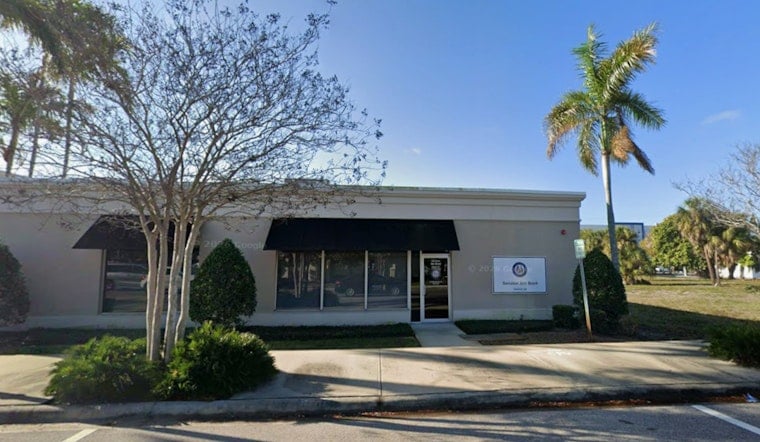
Dozens of frustrated Floridians crowded the sidewalk outside state Sen. Jim Boyd’s Bradenton office on Tuesday, demanding a break from spiraling electric bills. The turnout, a mix of seniors on fixed incomes, working families and community organizers, argued that recent hikes have pushed basic household service to the breaking point for many local residents.
The Bradenton rally was one stop in a growing wave of demonstrations and public comment sessions aimed at getting lawmakers to put affordability front and center in rate decisions. Protesters hoisted signs and, in a bit of street theater, cast fishing lines to “reel in” what they described as bloated corporate profits, as reported by WTSP and covered by local outlet WMNF.
Local Snapshot: Tampa Bay Residents Feel the Squeeze
In the wider Tampa Bay region, the anger is tied to eye-popping bill increases. Between December 2020 and January 2026, residential TECO customers saw average bills climb roughly 86 percent, or about $980 more a year, according to the Hillsborough Affordable Energy Coalition and reporting by WUSF. TECO has said pandemic-era adjustments and temporary storm-recovery charges explain part of that jump, and the company notes that some of those surcharges are scheduled to roll off later this year.
Residents who have shown up at public meetings say the math still does not work for them. Speakers have told local officials that higher power bills are forcing painful tradeoffs, with some households choosing between groceries, rent and keeping the lights on.
Regulatory Decisions and a Stalled Fix in Tallahassee
Zooming out to the state level, the Florida Public Service Commission has signed off on a multiyear settlement for Florida Power & Light that critics warn will keep bills climbing in the years ahead. CBS Miami reported that the deal includes base rate hikes of about $945 million in 2026 and $705 million in 2027.
Some lawmakers briefly tried to change how the commission approves increases. A measure known as SB 126 would have required the PSC to spell out why rate hikes are justified and to factor affordability explicitly into its decisions. The official Florida Senate tracker shows the bill died in the Appropriations Committee on March 13, 2026. Consumer advocates and the state Office of Public Counsel have indicated they will keep challenging settlements they say ordinary Floridians simply cannot afford.
Who Is Getting the Money, and What Activists Want
Watchdog analyses circulating among advocacy groups argue that a growing chunk of monthly bills is flowing to investors rather than to day-to-day operations or fuel costs. A Hoodline summary of an Energy and Policy Institute dataset estimated that roughly 17–27 percent of some Florida utilities’ bills may be going to profits.
Organizers and groups such as Food & Water Watch are pushing for a specific set of reforms. On their wish list are caps on allowed returns for utility shareholders, bans on passing lobbying and political expenses on to ratepayers, and more transparent accounting for storm-recovery and infrastructure add-ons. At the Bradenton rally, activists said that tighter limits on multiyear surcharges and those profit-focused changes are the baseline fixes they intend to keep fighting for.
What to Watch Next
Organizers describe the Bradenton protest as one step in a longer campaign built on petitions, persistent public comment and coordinated local events as this year’s regulatory filings and rate cases move forward, according to local coverage by WMNF. Utilities and consumer advocates are preparing for regulatory and legal battles over multiyear settlements, a dispute that opponents told CBS Miami could ultimately land before the Florida Supreme Court.
Lawmakers, meanwhile, may come back with narrower proposals in a future legislative session. For households in Bradenton and across Florida, the outcome of these fights will go a long way toward deciding whether the state’s power system can deliver both reliable service and monthly bills that do not blow up the family budget.





