

























































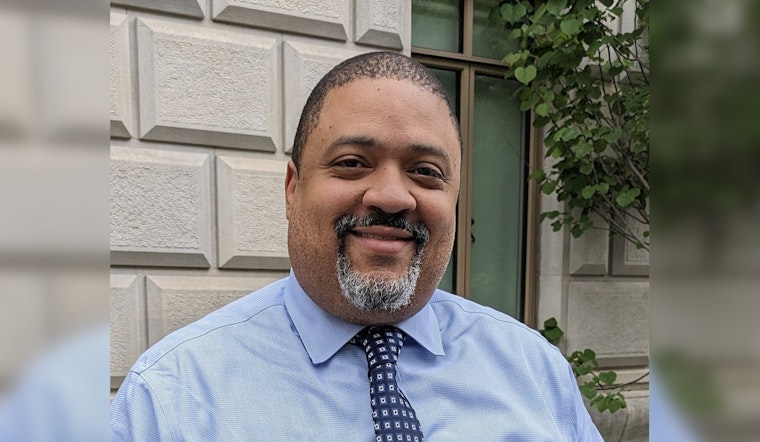
Manhattan District Attorney Alvin Bragg is warning that New York is slipping behind in the fight against ghost guns, the untraceable firearms built from kits or 3D-printed parts, and he wants Albany to move fast.
On Tuesday, Bragg said the state needs new prevention measures written into Gov. Kathy Hochul's budget during this legislative session to keep those weapons out of the hands of criminals. Prosecutors say the threat is already showing up on city streets and argue that policy changes and industry safeguards are needed on an urgent timeline.
As reported by amNewYork, Bragg said his office has been pressing tech platforms and manufacturers to take down downloadable blueprints and add software safeguards that would block the printing of gun parts. He is pitching lawmakers on folding those steps into the governor’s executive budget so they carry the force of law and come with dedicated funding.
Numbers rising in New York
The city’s own numbers show how quickly ghost guns have gone from fringe curiosity to steady problem: 17 recovered in 2018, 150 in 2020 and 585 in 2022. Those figures have helped spur coordinated action from the mayor, prosecutors and the state attorney general to go after illegal sellers and online platforms that host gun files.
According to the Mayor's Office, ghost-gun seizures make up part of the thousands of illegal firearms that have been taken off city streets in recent years.
A national pattern
The trend is not confined to New York. Analysis by Everytown for Gun Safety found roughly a 1,000 percent increase in 3D-printed gun recoveries across 20 U.S. cities over five years, underscoring how fast the threat has grown. Advocates say the jump, from a few dozen recoveries to hundreds, mirrors the early growth of other types of untraceable firearms.
Prosecutors say the technology is speeding the risk along. David Stewart of the Manhattan DA's counterterrorism unit told amNewYork that "3D-printed auto sears can be produced in about an hour" and then attached to a semiautomatic rifle, turning what starts as a hobbyist part into a much more dangerous device. Bragg's office argues that pace makes industry safeguards and tougher reporting requirements urgent policy priorities.
What Albany is weighing
Governor Kathy Hochul has proposed several measures in her State of the State aimed at cracking down on 3D-printed firearms. Her plan would require 3D printers sold in New York to include software that blocks weapon files and would mandate reporting of recovered 3D-printed guns.
The governor has framed the package as a way to codify and expand steps prosecutors are already pursuing, according to the Governor's Office.
Legal and policy questions
If lawmakers sign off on the proposals, they would shift some responsibility onto manufacturers and online platforms, making it harder to download or print weapon parts while creating new enforcement and civil-liability questions for companies.
Local reporting has highlighted bills in Albany from lawmakers including Sen. Brad Hoylman and Assemblymember Linda Rosenthal aimed at closing the so‑called digital loophole, a legislative push prosecutors support as a necessary complement to criminal prosecutions. As reported by NY1, the changes would also require statewide tracking of recovered 3D-printed firearms.
Bragg has been pushing this approach for months and has already been in direct contact with platforms, part of a broader campaign we first covered in January. For background on that earlier effort, see Bragg's earlier ghost gun crusade.
Prosecutors warn that without prevention measures like those on the table, ghost guns and downloadable parts will continue to outpace the tools governments rely on to trace and stop them. What happens in the upcoming budget talks, and in the bills working their way through committees, will determine whether Bragg's warning turns into concrete changes in New York law.





.jpg)