

























































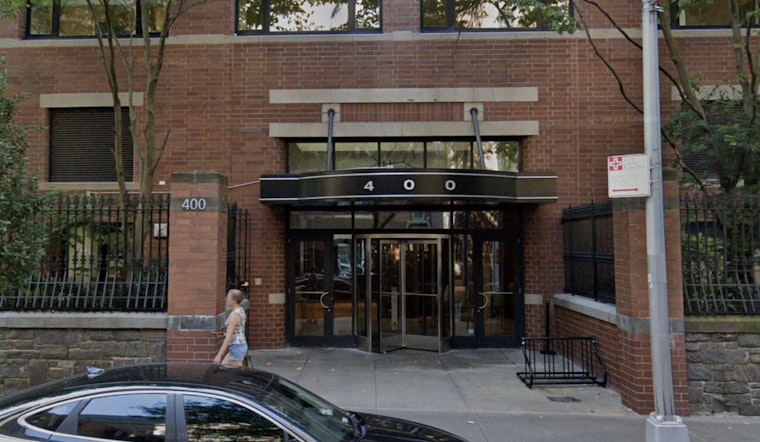
The Brodsky Organization is jumping into the private debt game with a $500 million lending platform, teaming up with Paris-based asset manager Tikehau Capital. The new vehicle is built to plug financing gaps for real estate borrowers in New York and beyond, offering construction, mezzanine and pre-construction loans, and willing to sit higher in the capital stack than traditional banks. For the long-running family developer, it is a notable shift toward operating a capital platform at a time when commercial real estate lending has tightened.
As reported by The Real Deal, both Brodsky and Tikehau are putting their own money into the strategy and have already partnered on mezzanine pieces for recent transactions. Dean Amro, a principal at Brodsky, told the outlet that the firm sees strong projects it cannot realistically develop itself. “You see opportunities that are good developments, but you cannot be the developer because you do not have the time or the bandwidth,” he said, adding that the platform is designed to be selective, backing what it views as safe assets rather than simply racing to deploy capital.
The Partners' Pitch
In an industry release, IPE Real Assets noted that the partnership is expected to invest more than $500 million, concentrating on the New York tri-state region with a particular eye on residential and hospitality credits. Tikehau executives pointed to Brodsky’s deep local development track record and Tikehau’s global private debt platform as a complementary match. The structure is pitched as a source of tailored credit and structured equity solutions at a moment when many conventional lenders have pulled back.
Where It Fits In The Market
The timing lines up with a broader shift in construction finance, where investor-driven lenders originated roughly one third of United States construction loans in 2025. That trend underscores how private credit providers have moved into spaces that banks have vacated. Per The Real Deal, this backdrop is a big part of why developers and asset managers see room for bespoke debt platforms like the Brodsky-Tikehau venture. At the same time, private credit funds in other sectors have drawn scrutiny over redemption pressures and risk exposure, which raises the stakes on disciplined underwriting for any new entrant.
Local Deals, Local Impact
The playbook is already on display. Last year, Brodsky and Tikehau joined a financing package that included mezzanine capital for the 1,000-unit project at 175 Third Street in Gowanus. That deal featured a $35 million mezzanine slice from the partnership, according to New York YIMBY. If the new platform scales, similar pre-development and construction arrangements could become easier to pull together for sponsor teams that need more leverage than banks are willing to offer.
For New York developers, Brodsky’s move signals yet another pot of private capital looking to fill the gaps left by cautious lenders, a potential boost for projects that require higher leverage or faster execution. For Brodsky itself, the wager is also internal: converting decades of on-the-ground development experience into a lending engine that can earn yield while the firm sits closer to the lender’s seat. Market watchers will be tracking how its underwriting standards and deal selection compare with rival private credit shops in a landscape where nonbank debt has become a central pillar of construction finance.





