

























































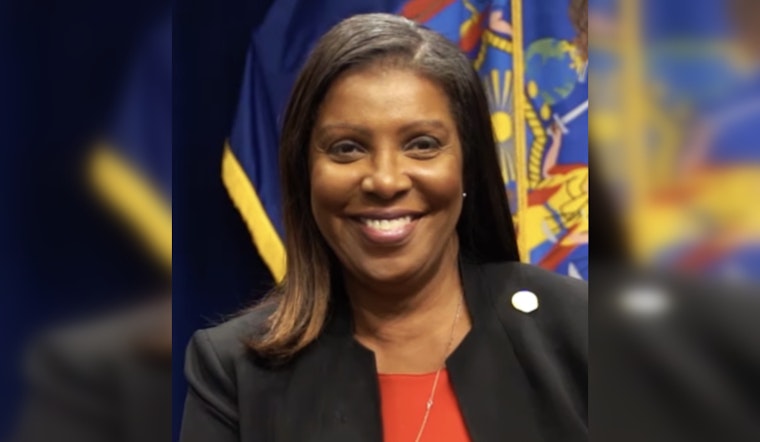
State officials say they have pulled the plug on illegal and potentially dangerous pesticide sales at three Bronx wholesale businesses, following an investigation by the New York attorney general’s office and the state Department of Environmental Conservation. The move, announced in a brief social media post, was cast as a consumer-protection push to keep hazardous products from flowing into neighborhood stores and, ultimately, local homes and gardens.
My office and @NYSDEC stopped three wholesalers from selling illegal and dangerous pesticides in the Bronx. New Yorkers should never have to worry that the products being sold in their communities could seriously harm their families.
- NY AG James (@NewYorkStateAG) April 10, 2026
Officials Announce Bronx Enforcement
According to a post on X, New York Attorney General Letitia James said her office and NYSDEC "stopped three wholesalers from selling illegal and dangerous pesticides in the Bronx," adding that "New Yorkers should never have to worry that the products being sold in their communities could seriously harm their families." The brief announcement did not identify the wholesalers or specify which products were involved.
Why Officials Say the Sales Were Illegal
State regulators point to the Birds and Bees Protection Act and related provisions of New York's Environmental Conservation Law, which bar the distribution or sale of unregistered or misbranded pesticides and phase in limits on several neonicotinoid insecticides. As set out in the statutory text published by the New York State Senate, the law introduces restrictions, including bans on clothianidin and dinotefuran for certain outdoor ornamental and turf uses, with the goal of reducing risks to pollinators and public health.
Legal Implications
"Beginning December 31, 2024, Article 33 (ECL 33-1301(13)) prohibits the treatment of outdoor ornamental plants and turf with pesticide products containing clothianidin or dinotefuran," the NYSDEC notes. The agency directs users to its product database, NYSPAD, to confirm that pesticides are properly registered.
Violations can trigger civil penalties and other enforcement actions under state law. Those provisions, including penalty structures, are laid out in Article 71 of the Environmental Conservation Law, with the enforcement language available on Justia.
How Residents Can Check Products and Report Concerns
Residents, landscapers and small businesses who suspect a pesticide might be illegal or misbranded are urged to start with the fine print. Officials recommend photographing labels and packaging, then comparing that information with the official records in the NYSPAD database.
If a product appears unregistered or mislabeled, people can contact DEC regional offices or use the attorney general's consumer-protection channels to file complaints. From there, investigators can follow the trail up the supply chain to wholesalers and other sellers.
Why Officials Are Watching Pesticides
The Bronx enforcement comes as the attorney general's office has been active on pesticide issues more broadly. In 2025, Attorney General James directed settlement funds into pollinator-conservation efforts, according to the Office of the Attorney General.
On the federal side, regulators have also targeted wholesalers over illegal pesticide sales in past crackdowns, as reflected in archived notices from the EPA.
In this latest action, state officials are keeping key details close to the vest for now, including the wholesalers’ names and the brands that were taken off the shelves. What they have emphasized is the immediate goal: clearing out hazardous stock and making sure New Yorkers know how to flag suspicious products before they wind up in homes, gardens or shared community spaces.





