

























































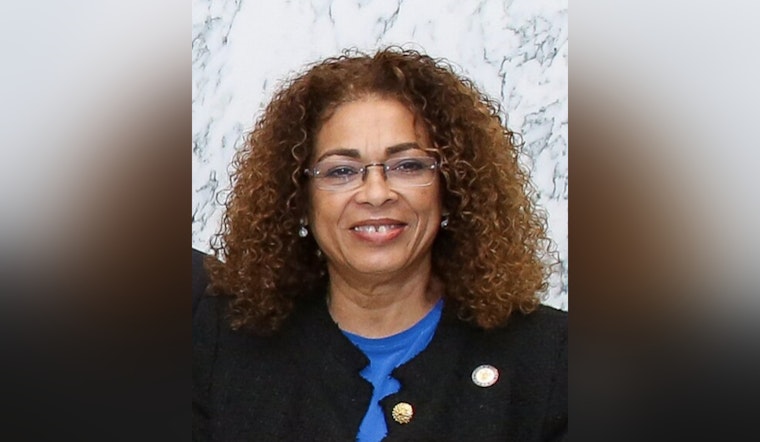
Bronx Assemblymember Yudelka Tapia is taking another run at a simple but loaded idea: what if New Yorkers could sign up as organ donors at the same time they file their taxes?
The Bronx Democrat reintroduced a bill on Wednesday that would let residents register as organ donors while submitting mandatory electronic personal income tax returns. Tapia and supporters say tax season is one of the few regular moments the state has everyone’s attention, and they want to use that window to nudge people toward a life-or-death decision. The renewed push lands during Donate Life Month, less than a year after lawmakers passed a similar measure that Gov. Kathy Hochul ultimately vetoed.
What the Bill Would Do
The bill, filed as A10299, would tuck a Donate Life Registry question into any personal income tax document that must be filed electronically. Filers would see a straightforward choice to opt in or skip, laid out in the bill text posted on the NY Senate.
The legislation sets an effective date of 180 days after it becomes law. Fiscal impacts are listed as undetermined, which is legislative speak for "this could cost something, but we are not ready to put a number on it yet."
Why Tapia Is Sponsoring It
For Tapia, this is not an abstract policy tweak. Three of her four children were diagnosed with kidney disease, and she told the Bronx Times that her oldest son died, another waited 16 years for a transplant and her youngest is now facing kidney failure.
She framed the tax-return question as the most powerful tool in the toolbox, calling it "the biggest one that can change the game" because it puts the decision in front of people every single year, not just when they happen to be at the DMV.
Numbers Behind the Push
Advocates say the stakes are stark. Roughly 8,000 New Yorkers are on transplant waiting lists and about 400 die each year while waiting, with registration rates still lagging the national average, according to Donate Life NYS.
The group points out that much of New York City has donor registration rates in the low 30 percent range, while several upstate counties have pushed past 80 percent. In other words, geographic lottery is still playing too big a role in who gets a second chance at life.
Previous Veto and Pushback
This is not an untested concept in Albany. A similar version of the measure sailed through the Legislature unanimously last year, only to be stopped at the governor’s desk.
Gov. Hochul vetoed that bill after the Department of Taxation and Finance raised operational and fiscal concerns and highlighted the heavy use of third-party tax software, according to reporting by WAMC. That veto memo still hangs over the new push, forcing sponsors to tweak the fine print to calm technical worries inside the tax department.
How Advocates Expect It to Help
Supporters argue that relying on DMV counters to sign people up has obvious limits. Not everyone drives, not everyone renews in person and plenty of New Yorkers will do nearly anything to avoid waiting in a government line.
Taxes, on the other hand, are a shared ritual. Tapia told the Bronx Times that Michigan saw roughly 183,000 new registrations in the first year after adding a similar question to state tax forms. She also said she has taken the latest version of her bill back to the finance commissioner in an effort to address the earlier objections and technical concerns.
Implementation Questions
Even supporters admit the concept is cleaner than the execution. The bill language notes unresolved fiscal issues and the need to sync up systems across state IT, the Department of Taxation and Finance and private tax-prep vendors, according to the text on the NY Senate.
Key unanswered questions include how the prompt would show up inside commercial tax software and who would pick up the tab for any programming changes. Lawmakers are essentially asking a big, complex filing system to do one more thing without grinding to a halt.
What Advocates Say Comes Next
Aisha Tator, executive director of Donate Life NYS, told City Limits that repeated chances to register help create a "culture of donation" and that when New Yorkers are given that choice, many say yes.
Advocates and lawmakers say they plan to keep pressing their case with the Department of Taxation and Finance and the governor’s office this spring. Their argument is that a relatively small administrative tweak at tax time could quietly translate into thousands of lives extended or saved, one checked box at a time.



_Yudelka_Tapia.jpg)