

























































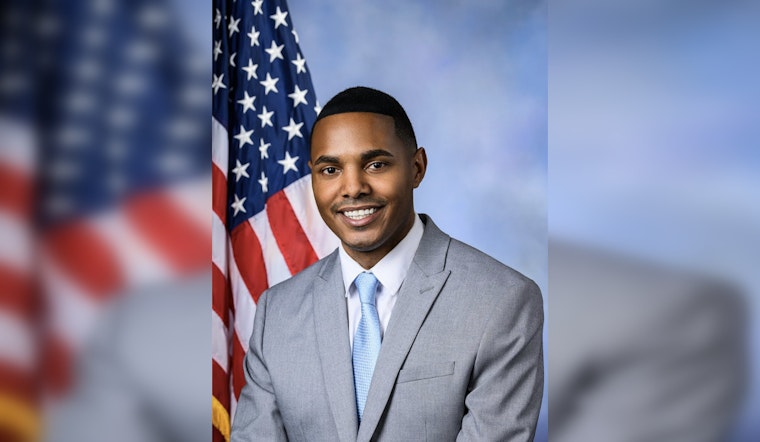
Rep. Ritchie Torres is turning up the heat on a nonprofit lender as Bronx and Queens tenants say they are still shivering in their own homes. Torres is urging the Community Preservation Corporation to take a hands-on role at several distressed apartment buildings tied to landlord Ved Parkash that are now in foreclosure, and to do it with tenant safety and long-term affordability front and center.
In a letter sent this week, Torres pressed CPC to commit to enforceable repair plans, clear oversight and real timelines as ownership shifts. Tenants and organizers say they are already living with chronic heat and hot-water outages, vermin infestations and a grab bag of other hazards that have become routine instead of rare.
The letter flags three Parkash-owned properties - 89-20 161st Street in Queens, plus 3435 Giles Place and 2015 Creston Avenue in the Bronx - and calls on CPC to put together a long-term stabilization plan, according to Bronx Times. Torres asked CPC CEO Rafael E. Cestero for a sit-down to hash out ownership expectations, oversight tools and concrete rehab timelines. He also urged CPC to steer distressed loans toward preservation-minded buyers who would keep apartments affordable during any receivership or sale, instead of flipping the buildings to the highest bidder.
CPC's role in preserving housing
The Community Preservation Corporation is a nonprofit mortgage lender that finances and underwrites rehabilitation projects meant to preserve affordable multifamily housing in the region, often in tandem with city and state partners, according to Community Preservation Corporation. Its toolbox includes loans, technical assistance and programs designed to keep rent-regulated units livable and in circulation over the long haul. That preservation track record is why local officials and tenant advocates are looking to CPC as a possible steady hand for troubled loans connected to at-risk buildings.
How the Signature Bank fallout matters
Local reporting has spotlighted CPC as a potential steward for loans that once sat on Signature Bank's books, as lenders and regulators reshuffle portfolios tied to that failure. Signature Bank was shut down by state regulators in March 2023 and the FDIC set up Signature Bridge Bank to oversee deposits and assets during receivership, per the FDIC. Tenant advocates worry that as those assets move, distressed buildings could get swept into fast, opaque sales that prioritize quick returns over basic tenant protections.
What city records show
City Department of Housing Preservation and Development records show more than 250 complaints in the past two years at 3435 Giles Place and 2015 Creston Avenue, as reflected in HPD's building profiles. NYC HPD and NYC Department of Housing Preservation and Development logs list heat and hot-water outages, rodent activity and structural problems reported by tenants. Those issues line up with long-running complaints from residents in multiple Parkash buildings who say neglect is the norm, not the exception.
Parkash’s track record
Parkash has repeatedly landed on the Public Advocate's "Worst Landlord" watchlist because of high volumes of housing-code violations, according to the Public Advocate's office. A 2017 ABC7 investigation reported a rare rat-borne illness linked to one Parkash building, and coverage of the 2910 Wallace Avenue five-alarm fire in January 2025 kept the owner in an unflattering spotlight. Those episodes helped fuel tenant organizing and demands for tougher oversight of his portfolio.
Torres' demands and next steps
"Any resolution involving these properties should include a clear and enforceable plan for rehabilitation and capitalization, supported by defined timelines, appropriate oversight, and meaningful accountability measures," Torres wrote in his letter. He specifically requested a meeting with CPC leadership to talk through ownership expectations, oversight mechanisms and transparent schedules for repairs. Torres also urged the nonprofit to vet preservation-oriented buyers who can actually deliver full-scale rehabilitation and responsible management instead of paper promises.
Tenant groups and advocates say they will be watching closely to see whether CPC's involvement results in binding commitments or just another quick shuffle of loans to a new owner. The fear on the ground is that tenants could once again be left living with the same leaks, mold and outages, just under a different name on the deed.
What comes next for tenants
If CPC or a preservation-focused buyer takes on these loans, advocates hope any financing will be tied to enforceable tenant protections and a funded rehab plan that actually gets carried out. City agencies such as HPD still have enforcement power, and tenant groups have a track record of using housing court and public pressure to pry repairs out of reluctant landlords. Organizers say nonprofit or federal involvement could speed up fixes and reduce the risk of displacement.
For now, many residents are either displaced or living in compromised apartments while they wait to see whether Torres' push leads to real change or just another round of letters and press releases. Torres has put a federal spotlight on a very local housing crisis, and community groups say the next few weeks will reveal whether CPC leans into preservation and tenant safety or simply moves the loans along the market conveyor belt.





