

























































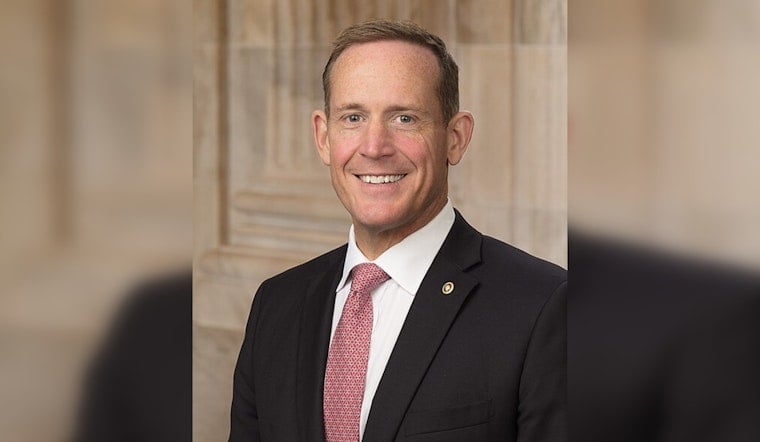
Sen. Ted Budd spent Friday walking the floor at Duke Energy’s Roxboro plant in Person County, shaking hands with technicians and spotlighting a planned combined‑cycle project that could reshape the site. The visit folds into Duke’s years‑long effort to swap out aging coal units for modern combined‑cycle turbines at a time when power demand is climbing across the Carolinas. For people in Roxboro and nearby communities, the project is both a big construction prospect and the latest flashpoint in long‑running debates over reliability, jobs and health impacts.
Great to visit with the skilled team at @DukeEnergyNC’s Roxboro Power Plant, who keep homes, businesses, & hospitals powered across NC. Duke Energy is continuing its investments in grid reliability across our state with a new Combined Cycle Plant in Person Co. #100countytour https://x.com/i/status/2045204845104099348
— Senator Ted Budd (@sentedbuddnc) April 17, 2026
Budd later highlighted the tour on X, saying the Roxboro team “keeps homes, businesses, & hospitals powered across NC” and tying the visit directly to Duke’s planned Person County investments. His X post frames the combined‑cycle project as a reliability boost for the region.
What Duke Energy Is Proposing At Roxboro
Company filings describe a 1,360‑megawatt, hydrogen‑capable combined‑cycle unit slated for the Roxboro site, followed by a second unit of the same size to take the place of remaining coal boilers. According to Duke Energy’s 2024 Form 10‑K, the projects are designed to retire older coal units and are scheduled to come online in the late 2020s as part of what the company calls the Person County energy complex.
Zachry Group, the engineering‑procurement‑construction contractor for the first combined‑cycle project in Person County, reports that site clearing is already underway and that construction hiring has begun. Zachry Group lays out its expected timeline and local recruitment plans in its announcement.
Why Duke Says It’s Needed
Duke cites surging electricity use tied to new manufacturing facilities, data‑center growth and broader grid‑reliability needs across the Carolinas. In the company’s resource plan, combined‑cycle additions in Person County are described as a near‑term way to keep up with that demand and reduce the risk that outages ripple across the region. Duke Energy’s 2025 Carolinas Resource Plan filing details the company’s rationale.
Local Reaction And Health Concerns
Environmental groups and neighborhood advocates pushed back during air‑permit proceedings, pointing to emissions, the site’s coal‑ash history and environmental‑justice concerns in a community ringed by homes and schools. Organizations including the Southern Alliance for Clean Energy and CleanAIRE NC filed lengthy comments and helped organize public testimony at North Carolina Department of Environmental Quality hearings. Southern Alliance for Clean Energy and CleanAIRE NC document those concerns and the local response.
Regulatory Status
The joint application for the first Roxboro combined‑cycle unit sits in North Carolina Utilities Commission dockets (E‑2, Sub 1318 / EC‑67, Sub 55), with DEQ moving a draft air permit through public review last year. The North Carolina Utilities Commission’s docket listings and the NCDEQ air‑permit record track those filings, while local TV coverage reported that ground was broken in Person County in February. NCDEQ and WSOC provide the public record of those steps and the February groundbreaking.
Duke’s regulatory filings also spell out what the company believes the projects will cost customers. For each new unit, the company models a high‑tens‑of‑millions retail revenue requirement and projects an approximate low‑single‑digit percentage impact on average retail rates in the later 2020s. Those estimates sit at the center of upcoming hearings over how construction costs will be recovered from ratepayers. Duke Energy provides the cost projections in its SEC filing.
From here, the process turns into a grind of technical filings, county land‑use decisions and more public testimony. Duke will keep arguing that the new units are needed to keep the lights on, while community groups push for tighter pollution controls and alternatives they say would cut carbon and reduce local impacts. Either way, Roxboro now finds itself squarely in the middle of a high‑stakes energy transition fight that will play out in regulatory hearing rooms and local meeting halls for months to come.





.jpg)