

























































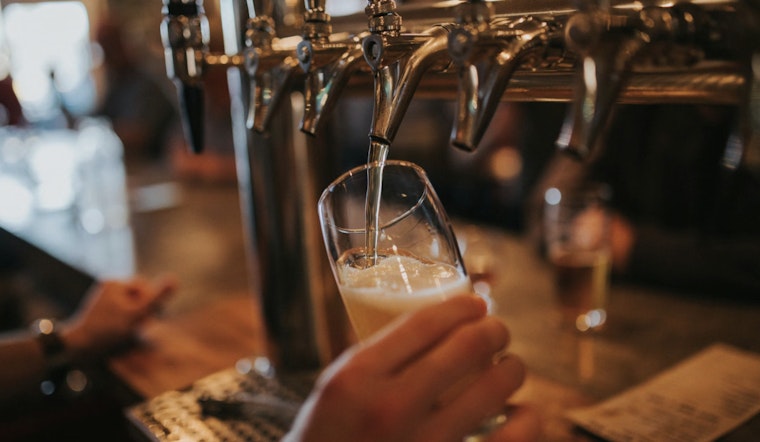
Buffalo’s once-booming craft beer scene is feeling the squeeze. Local fixtures like Thin Man and Flying Bison have either scaled back or shut down taprooms, a hometown snapshot of a broader shakeup rippling through New York’s craft-beer world. The timing is awkwardly poetic: the pullback comes as the state gets ready to toast its second annual New York Craft Beer Day on Saturday, April 11.
In a recent press release, Gov. Kathy Hochul officially proclaimed April 11 as New York Craft Beer Day and laid out just how big the industry has become, citing more than 500 independent craft breweries that support roughly 22,000 jobs and generate about $4.8 billion in economic activity. She tied the celebration to the Think NY, Drink NY campaign and to recent licensing tweaks intended to cut costs for smaller producers. Governor Kathy Hochul used the moment to spotlight the sector’s clout.
On the ground in Buffalo, though, the mood is more measured. Industry insiders say the rapid growth of the last decade left the market vulnerable. “At one point in New York state, we were opening a brewery every eight days,” New York Brewers Association executive director Paul Leone told Spectrum News Buffalo. The outlet also reported that Thin Man shuttered its Elmwood Avenue taproom in 2023 and later closed its Chandler Street spot, even as longtime names like Flying Bison still anchor the city’s beer culture. Spectrum News Buffalo spoke with local owners about how they are adapting.
Why breweries are recalibrating
New York’s craft scene exploded from roughly 95 breweries in 2012 to about 535 by 2023. That surge packed store shelves, crowded draft lists and put pressure on margins for many operators. Reporting from Cornell AgriTech shows that pandemic-era losses, higher labor and rent costs, and the basic math of saturation have all pushed some taprooms to rethink how they do business. Cornell AgriTech has tracked that rapid rise in brewery numbers.
New competitors and changing tastes
Breweries are no longer just competing with each other. Drinkers can now reach for hard seltzers, canned ready-to-drink cocktails, nonalcoholic beers and even THC-infused beverages, all fighting for the same barstools and refrigerator space. Local coverage and national polling suggest younger adults are pulling back from alcohol altogether, and AM New York points to Gallup data that only about 38% of Americans ages 18 to 34 now describe themselves as “regular” drinkers. That shift has nudged breweries to branch out. AMNY has examined how taprooms are reworking their playbooks in response.
Across the state, plenty of brewers are experimenting rather than throwing in the towel. Menus are becoming as central as the tap lists, ticketed events are filling slow nights and collaborations or contract brewing are helping cut overhead. In Buffalo, Community Beer Works’ purchase of Thin Man’s brand rights and brewery assets signaled that, in some cases, names and facilities will be repurposed instead of simply abandoned. Coverage of asset sales, mergers and business pivots shows many operators leaning harder into food, events and wider distribution to keep the lights on. Buffalo Rising and state reporting have documented those moves.
Industry groups say this moment looks less like a collapse and more like a correction. Some breweries will close, others will merge or change hands, and new players will still open with better locations or deeper pockets. The New York State Brewers Association notes that closures are expected even as openings continue, and its leaders are urging drinkers to back taprooms that are working through reinventions. New York State Brewers Association materials continue to stress the industry’s ongoing economic weight, even in a tougher landscape.


