

























































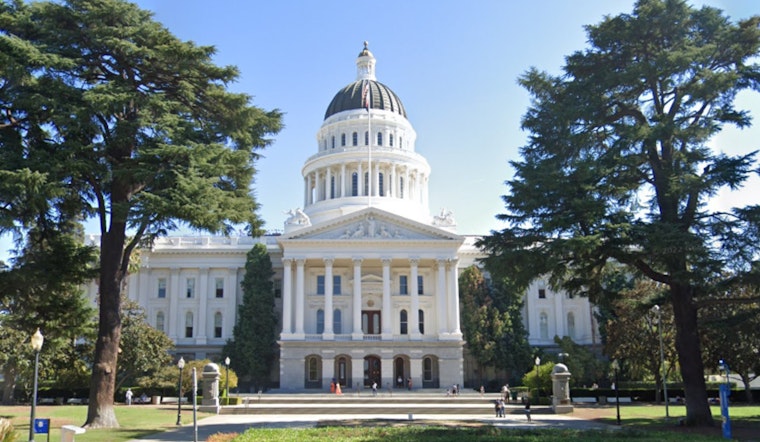
Two-thirds of California voters say American democracy is under attack, and many of them are ready to see new state laws to protect access to the ballot, according to a major new poll. The results show sharp partisan divides, but also notable support from independents and many voters of color, landing just as fights over mail voting, redistricting and language access heat up in Sacramento. Lawmakers and advocates say the numbers could help determine which reforms get serious bipartisan attention this year.
According to the Los Angeles Times, the UC Berkeley Institute of Governmental Studies poll found about 67% of registered California voters said American democracy is under attack, including roughly 84% of Democrats and 40% of Republicans. The same reporting shows 66% overall support for a state Voting Rights Act to prohibit discrimination and measures that suppress ballot access.
The UC Berkeley Institute of Governmental Studies release says the survey polled 5,109 registered voters online in English and Spanish from March 9-15 and carries an estimated margin of error of about 2.5 percentage points for the full sample. Funding for the polling work was provided by the Evelyn and Walter Haas Jr. Fund.
What voters supported
Respondents rallied behind specific reforms as well as broad protections. The poll found a majority supported requiring that the top three financial backers for and against ballot measures be listed in official voter guides, along with strong backing for expanding translation and interpreter assistance where non-English speakers make up at least 5% or 5,000 voters in a county. Support for a state Voting Rights Act was particularly strong among Black voters, roughly 72%, and independents, about two-thirds, even as most Republicans opposed new state protections, as reported by the Los Angeles Times.
Why this matters now
Researchers say the timing reflects recent legal shifts. Several Supreme Court rulings have narrowed federal voting protections, and a high-profile case, Louisiana v. Callais, has put Section 2 and remedies for vote dilution squarely before the justices. Coverage by SCOTUSblog and analysis from the Brennan Center outline how those decisions could limit federal tools for addressing racial discrimination in voting and leave more responsibility to state lawmakers.
What lawmakers could do
Voting-rights scholars and advocates say Sacramento has several policy levers. A state Voting Rights Act could protect early voting, bar onerous proof-of-citizenship or ID requirements, and require districting rules that preserve minority communities’ ability to elect preferred candidates. That perspective is shared by experts such as Matt Barreto, faculty director of the UCLA Voting Rights Project, and by UC Berkeley polling experts who argue California can strengthen ballot access even as federal protections shift. County election officials and civil-rights groups are already pushing for changes on language access and ballot transparency this spring.
The Berkeley findings hand lawmakers a clear snapshot of public appetite, along with a political signal that proposals on voting access might draw broad backing outside of the staunchest partisan camps. Whether Sacramento acts will hinge on the coming legislative calendar and how the Supreme Court rules in related cases this term.





