

























































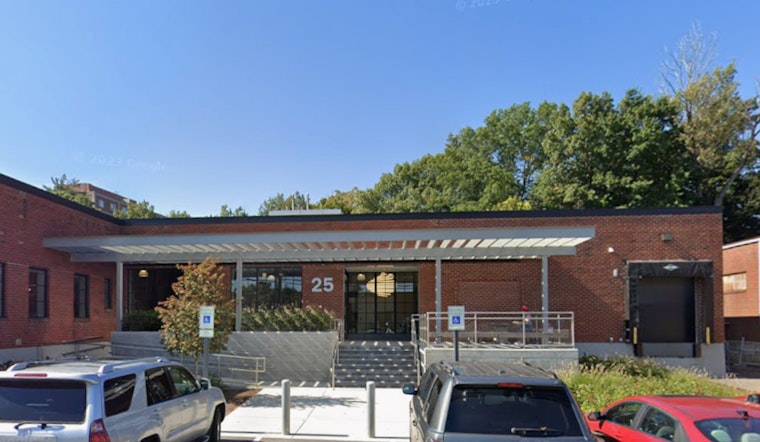
Harbinger Health, a Cambridge biotech spun out of Flagship, says it has locked in $100 million in new financing as it races to commercialize blood-based tests that the company says can screen for a dozen cancers. The funding arrives as Harbinger pushes to move its HarbingerHx platform out of years of trial work and into real-world clinical use. Local labs and clinicians are watching closely, since the company is aiming for a product that could slot into routine screening.
According to the Boston Business Journal, the financing totals about $100 million and is earmarked for product launch activities and expanded clinical validation of tests designed to detect roughly 12 cancer types. Company officials told the outlet that the fresh capital is intended to support commercial-scale laboratory operations and regulatory work ahead of an initial rollout.
The money is arriving alongside a leadership shuffle. Ajit Singh, who had been serving on Harbinger’s board since 2024, was named CEO in August 2025 as the company shifted from development toward commercialization. Flagship Pioneering lists Dr. Singh as Harbinger’s CEO-Partner and notes his board role dating back to 2024.
HarbingerHx Platform And The Clinical Path
Harbinger’s HarbingerHx platform combines methylation-based cell-free DNA analysis with machine learning, and the company has been running a large clinical study to validate how well that approach works. In 2023, Harbinger raised $140 million to complete the CORE-HH 10,000-participant study and to prepare a laboratory-developed test (LDT), according to Harbinger Health. Additional clinical data presented at scientific meetings have highlighted cancer-specific signals that the company says underpin its multi-cancer strategy.
What ‘12 Cancers’ Would Mean - And Where Questions Remain
Tests that promise broad multi-cancer detection bring practical complications with the hype. Experts point to ongoing uncertainty over whether such screening will actually translate into fewer advanced cancers in the real world, as well as the potential burden of false positives and invasive follow-up procedures. The Cancer Letter and peer-reviewed summaries of MCED research describe variable sensitivity across different cancer types and stress that randomized studies are needed to show a true clinical benefit.
Why Investors Are Still Betting
In spite of those question marks, investors have continued to pour capital into late-stage MCED developers, betting that earlier detection could significantly change outcomes and open up large screening markets. Harbinger’s earlier Series B round and institutional partnerships helped draw major backers, and the latest $100 million infusion is being read as another vote of confidence in the company’s commercial plan. M&G and other institutional investors previously took part in major funding rounds for the company.
For Cambridge, the stakes are local as well as scientific. This kind of funding could mark a shift from being primarily a research hub toward becoming a commercial testing center, a transition that will depend on regulatory milestones, payer decisions and clear clinical guidance for follow-up care. The Boston Business Journal reports that Harbinger plans to accelerate commercial-scale lab work and regulatory filings with the new money, and the next big milestones are expected to include formal FDA submissions and additional clinical readouts.





