

























































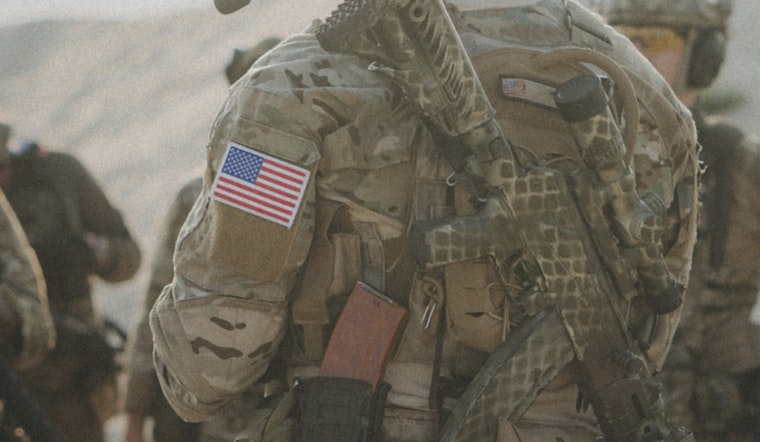
At Camp Lejeune, the base that keeps Jacksonville’s military life humming, multigenerational families say a new chapter of U.S. fighting in the Middle East has already landed on their doorstep. Parents who grew up around the base talk about sleepless nights, urgent phone calls and the old routine of deployments returning: shuffling school plans, updating wills and quietly bracing for impact. A fragile pause in the fighting has not lifted the practical burdens or the familiar knot of dread that shows up with every mobilization.
Voices From Camp Lejeune
In a short video published April 8, The New York Times follows several families at Camp Lejeune and nearby New River Air Station. The piece profiles veterans and relatives including Carla Arana, Marine veteran Kayla Stewart and military widow Michelle Windle, who describe how repeated deployments and loss have reshaped daily life for spouses and children. Their stories underscore how the base’s rhythms start to shift long before any orders are official.
Why This Base Matters
Marine Corps Base Camp Lejeune and the adjacent New River Air Station together host a major concentration of Marines, sailors and family members. The installation serves roughly 150,000 active-duty, retired and dependent personnel, according to the base’s planning documents. That sheer scale makes Lejeune a regional hub for East Coast amphibious and expeditionary operations, so decisions about deployments ripple through Jacksonville’s neighborhoods, schools and small businesses. Local services, from classrooms to military hospitals, move quickly into contingency mode when global tensions spike.
Ceasefire Has Not Calmed The Home Front
The United States and Iran agreed to a reported two-week ceasefire, a development detailed by AP News. On paper, it is a diplomatic step back from the brink. On the home front, families say it barely dents the anxiety. Reporting from national outlets has found widespread unease in military communities as relatives wait for clearer timelines and orders, and many military spouses say the limbo is the hardest part. Nonprofit groups and base programs have reported increased demand for counseling and emergency assistance as families try to keep everyday life steady while the world watches high-level diplomacy.
Personal Costs And Practical Steps
The New York Times video shows families moving straight into practical mode: shifting kids between grandparents and neighbors, reactivating medical appointments and trying to lock down finances in case a deployment hits. The piece also recounts the pain of loss, including one interview that mentions a relative named Dennis, who died at 45 while serving in the Middle East. It is a pointed reminder that casualties from distant fighting are first counted in local living rooms. For many at Lejeune, those personal costs are not hypothetical scenarios, they are family history looping back.
Where Families Turn For Help
Local commanders and national organizations serve as the first line of support when tensions rise. Coverage by outlets including PBS NewsHour notes that groups such as the Military Family Advisory Network and other nonprofits have expanded counseling, peer-support and emergency-assistance programs to keep up with demand. Even so, spouses and parents say they want clearer communication from military leadership about timelines and available family resources before the official orders land.
What Families Say They Want
Across the country, military communities keep coming back to the same ask: transparency and planning. Reporting in the Los Angeles Times points to similar concerns elsewhere, with parents asking “what is the mission?” and pushing for honest timelines instead of vague reassurances. For families at Camp Lejeune, that clarity is not just a talking point, it is what lets them arrange childcare, keep jobs on track and hold together the everyday routines that make a community function.
For now, the pause in hostilities is real but provisional, and the burden of staying ready falls on the people who keep base life moving while their loved ones may be half a world away. At Lejeune, that means neighbors, commanders and support groups are again being asked to shoulder the often invisible costs of war.





