

























































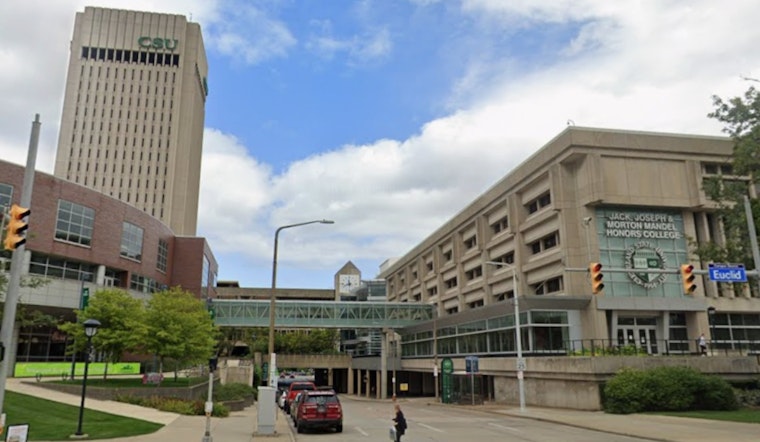
The Cleveland Thyagaraja Festival has once again turned Cleveland State University into a global stage, pulling in musicians, dancers and audiences from across the U.S. and abroad for 12 full days of Carnatic music. Running through April 12, the long-running celebration of South Indian classical tradition pairs ticketed headline concerts with free community performances and hands-on workshops. From early-morning devotional singing to late-night jugalbandi collaborations, campus venues and larger halls are packed, filling both Waetjen Auditorium and the Wolstein Center. For many performers, landing a spot in Cleveland is treated as a career milestone that can give their profiles a serious lift.
Festival Scale and History
Organizers describe the gathering as the largest Indian classical music festival held outside India, with more than 10,000 performers, students and spectators expected between April 1 and April 12, according to Aradhana. The site traces the event back to a modest 1978 Aradhana and details how it steadily grew from a small community observance into an international showcase. Many offerings remain free and open to anyone who wants to walk in, while a select group of evening concerts require tickets or extended passes. That mix of broad access and high-level performance keeps longtime aficionados coming back and gives curious newcomers an easy way to test the waters.
Why Cleveland Matters
“Cleveland is the tent pole for this industry in the United States,” organizer Gopi Sundaram told News 5 Cleveland, summing up why artists covet a Cleveland appearance. Sundaram noted that being featured here can serve as a major career boost for emerging talent. Local coverage has highlighted how artists, students and families have filled campus spaces throughout the week, underscoring Cleveland’s outsized role in nurturing Carnatic musicians across North America. At every level of the schedule, the festival continues to balance top-tier artistry with grassroots teaching and community outreach.
Competitions and Community Programming
Competitions and student showcases sit at the heart of the festival, with winners often earning concert slots during the run and invitations to perform elsewhere, while dance workshops and school outreach help introduce new listeners to Carnatic music. Cleveland State University has hosted the event since its early years and supports it with venues, volunteers and adjudication panels, according to Cleveland State University. The schedule weaves together formal concerts and participatory programs such as the Pancharathna krithis ensemble and morning bhajans. Organizers say that this combination of competitions, education and performance keeps the tradition both vibrant and accessible.
How To Watch And Get Tickets
Many events on the calendar remain free, while marquee evenings use limited-ticket extended passes and a smaller pool of reserved seats. For those who cannot make it in person, the festival is being webcast by partner iCarnatic, which offers live streams and archived video. The organizers’ visitor guide lists local hotels that cater to festivalgoers, and volunteers are on hand to direct audiences to the right campus venues. The hybrid setup of in-person and online programming has helped the volunteer-run Aradhana Committee expand its reach and support performers’ careers across the globe.
For the complete schedule, ticket information and a visitor guide, head to the festival’s official page, where event times, venue directions and ticket links are all listed. Visit Aradhana for details and the latest lineup updates. If you are planning to attend an evening concert, organizers recommend buying tickets early - several headliners often sell out.



