

























































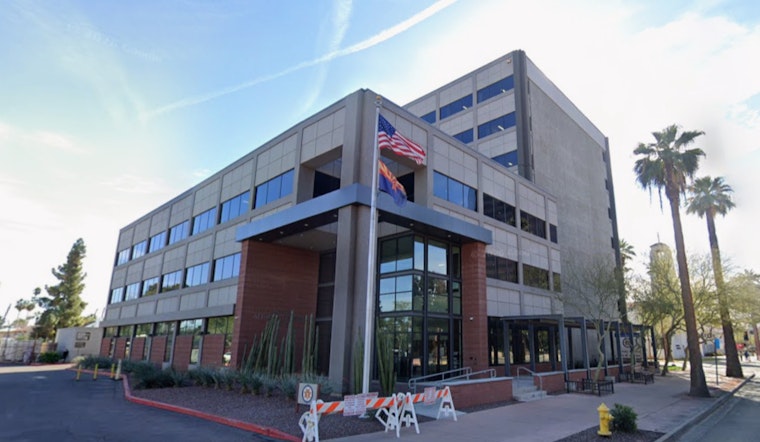
Backyard casitas are booming in Arizona, and so, apparently, are the scams that come with them. Homeowners looking to add accessory dwelling units are being warned to steer clear of contractors who promise fast builds, collect big deposits, then vanish before a single permit is filed. Victims report checks being cashed within days, projects never breaking ground and families left thousands of dollars in the hole, sometimes far more. The warning arrives as accessory dwelling units — ADUs, casitas and in-law suites — stay near the top of many homeowners' wish lists across the state.
What The Attorney General Is Hearing
The Arizona Attorney General's Office told AZ Family that the bad actors tend to follow a familiar playbook. They show up with proposals or offer what sound like personalized consultations, then ask for large upfront payments by check, cash, Zelle, cryptocurrency or even gift cards, and after that, progress stalls. In several cases, homeowners later discovered that no plans or permits had ever been submitted, even though their deposits were cashed within days. Reported losses range from tens of thousands of dollars to as high as $250,000.
Red Flags To Watch For
According to the Arizona Attorney General's Office, pressure tactics are a major warning sign. Homeowners are urged to be cautious if a company pushes them to sign on the spot, warns against getting multiple quotes, claims permits are already in process without providing paperwork or insists on being paid in hard-to-trace forms of payment. In a broader consumer alert on home construction scams, the office reminds Arizonans to confirm licensing, insist on written estimates and read every contract carefully. Those same basic safeguards are now being stressed specifically for ADU and casita projects.
Check Licenses And Lock Down The Contract
The Arizona Registrar of Contractors offers a license lookup tool and a complaint portal that let homeowners confirm whether a contractor is authorized to work in the state. You can check a contractor's status at roc.az.gov before signing anything. The Better Business Bureau's Scam Tracker can help reveal patterns in complaints and gives consumers a way to post reports that regulators and law enforcement watch closely.
Experts advise getting multiple written bids that spell out the scope of work, materials, timelines and total price, and they recommend never paying the full contract amount up front. If a contractor is more interested in your payment method than your project details, that is another cue to slow down.
Why ADU Demand Is Drawing Scammers
Arizona's 2024 ADU law, combined with ongoing local rulemaking, has turned backyard casitas into hot property for homeowners chasing extra rental income or space for extended family. That high demand, observers note, can open the door for fraud. Tucson.com has reported on recent legislative and municipal debates over ADU size and rules that have kept the issue in the spotlight. Scammers often target exactly these kinds of markets, where many consumers are unfamiliar with permitting procedures and realistic construction timelines.
If You Think You've Been Hit
Homeowners who believe they have been scammed can file a complaint with the Arizona Registrar of Contractors at roc.az.gov/file-complaint or by calling (602) 542-1525. Consumers are also urged to submit a complaint to the Attorney General at azag.gov/consumer.
The Attorney General's Office told AZ Family that its consumer hotline is available at (602) 542-5763 in Phoenix, (520) 628-6648 in Tucson and (800) 352-8431 statewide. Consumers can also report suspicious activity through the BBB's Scam Tracker to warn others and help investigators spot broader patterns.
What The Law Allows Regulators To Do
Under state law, the Registrar of Contractors can investigate complaints, issue citations and, when warranted, suspend or revoke a contractor's license. The procedures for complaints and citations are outlined in A.R.S. §32-1155. Certain cases may qualify for civil remedies and limited recovery through the Residential Contractors' Recovery Fund under Title 32, and criminal theft or unlicensed contracting can also lead to prosecution.
Homeowners who suspect fraud are urged to hang on to their contracts, payment records and any communications with the contractor. Those documents can be critical evidence for complaints and potential enforcement actions, and may be the difference between a stalled casita dream and a case regulators can actually pursue.





