

























































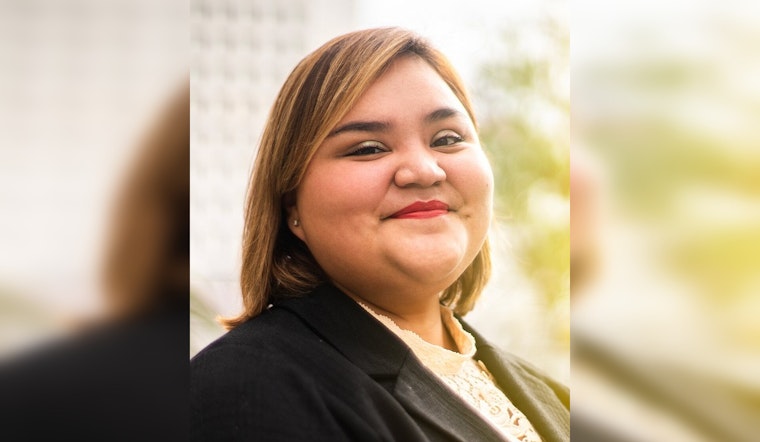
Los Angeles City Council District 1 is headed for a bruising June 2, 2026 primary, with incumbent Eunisses Hernandez trying to hang on to her seat against four challengers in a race that zeroes in on homelessness, public safety and basic city services from Highland Park to Pico-Union. Voters will effectively be deciding whether the district sticks with a solidly progressive course or pivots toward candidates promising tougher enforcement and faster cleanups.
The Office of the City Clerk has now locked in the field. Its certified list of candidates confirms that Sylvia Robledo, Raul Claros, Maria “Lou” Calanche and Nelson Grande all qualified for the June 2 ballot alongside Hernandez. Hernandez, who first ousted a two-term incumbent in 2022, is seeking a second term. The city's certification appears in a City Clerk filing, and LAist offers a district map along with short biographies of the contenders.
Who's running
Hernandez, the incumbent, was first elected in 2022 and has cast herself as a progressive voice on housing, tenant protections and unarmed crisis-response pilots. Her office highlights recent moves, including a groundbreaking for a 48-unit affordable housing project and motions to expand solar-powered street lighting, as proof that she is delivering on that agenda. More details on her official work are posted on the Council District 1 website.
On the other side of the ballot, the challengers bring their own résumés and ideas about how CD1 should be run. Maria “Lou” Calanche is a nonprofit leader and former member of the Los Angeles Police Commission. Nelson Grande is a Highland Park entrepreneur and consultant. Raul Claros is a community organizer and former Red Cross executive. Sylvia Robledo is a small-business owner and former council aide.
Their differences with Hernandez on policing, encampment cleanup and neighborhood services are sketched out in coverage from the Los Angeles Times and in their own campaign materials. Voters looking for specifics can dive into platform details from Maria "Lou" Calanche, Nelson Grande and Raul Claros.
Why the race matters
District 1 covers a swath of Los Angeles that often ends up on the front line of debates over homelessness, policing and day-to-day city services. According to LAist, each councilmember represents roughly 260,000 residents. The guide also explains that councilmembers serve four-year terms with a three-term limit, and that anyone who tops 50 percent in the June 2 election will be sworn in this December. If no one clears that bar, the top two will move on to a November 3 runoff.
The City Clerk lists the role's annual salary at $244,727 and outlines the filing rules that determine who qualifies for the ballot. Put bluntly, this is not a small job, and the pay and power help explain why the seat is drawing such a crowded field.
What to watch before June 2
Heading into election day, the key question is whether voters want policy continuity or a shift in tone and tactics. Endorsements, late fundraising and how each campaign talks about encampment sweeps versus services are likely to loom large.
The Los Angeles Times has already flagged public safety and encampment policy as emerging wedge issues across city races. In CD1, long-running debates over MacArthur Park and neighborhood sanitation are shaping up as an early stress test of where voters stand. With petitions certified and the ballot locked, campaigns are expected to pour their energy into turning out voters in parts of Highland Park, Chinatown and Pico-Union that often decide tight local primaries.
All eyes now move to the June 2 primary. If one candidate crosses the 50 percent threshold, the race ends there and the winner takes office in December. If not, the top two will face off in November, with the result setting the tone at City Hall on homelessness, street cleanliness and public safety for the roughly 260,000 people who call District 1 home.





