

























































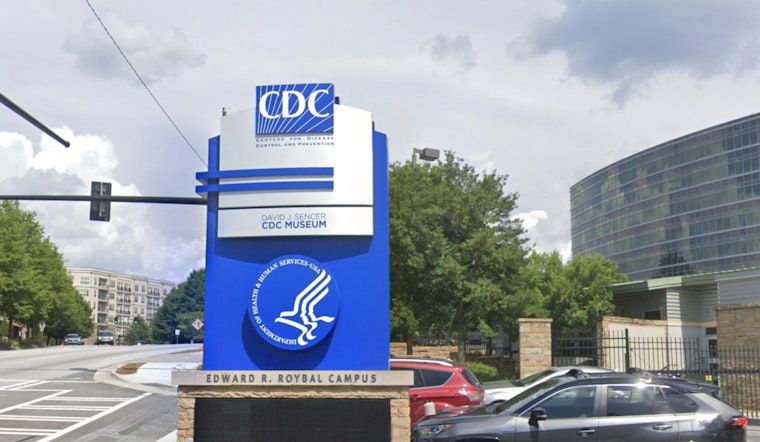
In a move that has rattled public health folks in Atlanta and far beyond, the Centers for Disease Control and Prevention has quietly yanked several core rabies and poxvirus assays from the list of tests it runs for state and local public health labs. The services are paused while the agency updates its laboratory test directory, but for now both molecular and serologic poxvirus testing and CDC's mainstay rabies assays are off the table for outside submitters. State health officials say losing that federal safety net for rare but high-stakes diagnoses means leaning faster on commercial reference labs and already-stretched in-house capacity.
What Changed In CDC's Lab Menu
The agency's public Test Directory now labels Rabies Antemortem Human Testing (CDC-10392) and Rabies Antibody Titer (CDC-10393) as paused, and lists Poxvirus Molecular Detection (CDC-10515) and Poxvirus Serology (CDC-10516) as temporarily unavailable. According to the CDC Test Directory, the shift took effect March 30 and directs submitters toward commercial testing options or to contact CDC for technical assistance. The directory also shows a wider roster of assays that have been paused or discontinued in recent updates, hinting that this is not a one-off tweak.
Internal Warnings About Vanishing Teams
Internal paperwork and staff alerts obtained by The New York Times describe a sharply downsized Poxvirus and Rabies branch inside CDC. The Times reports the poxvirus team is expected to have no members by July and says the rabies group will shrink to a single clinician-advisor. Public health experts told the outlet that such a bare-bones crew will limit CDC's ability to give states round-the-clock technical backup. The reporting also notes CDC started reviewing its test menu in late 2024 while overhauling its lab services.
The Cuts That Set This Up
This pause lands on top of a rough 2025 for CDC staffing, when layoffs and program reductions trimmed lab fellowships and other technical positions that once shored up surge capacity. Reporting by The Associated Press outlined losses among Laboratory Leadership Service fellows and other lab staff that public health leaders say thinned the bench of experts available to support state labs. Officials and outside experts have warned that those earlier cuts left fewer seasoned scientists for after-hours calls and fast troubleshooting when something scary pops up.
How State Labs Are Scrambling
CDC guidance has long told submitters to start with state public health labs and, when needed, turn to commercial reference labs. The updated listings stay the course on that strategy and include contact details for technical questions. The agency's specimen submission page nudges users toward the Test Directory and CDC points of contact while the assays are offline. In the meantime, many state labs say they are racing to lock in contracts with reference labs and to build up in-house testing for the kinds of rare, high-consequence cases CDC used to handle directly.
Why The Pause Has Folks Spooked
Public health officials warn that less federal testing capacity and fewer subject-matter experts could slow detection of emerging threats such as avian influenza and make life harder during big international gatherings. The New York Times cites officials who worry the gaps could hit preparedness around events like the World Cup and major national celebrations. "In relative peacetime of no major outbreaks, no major pandemics, it’ll be fine," Jill Taylor told the outlet, a line many read as a warning that systems trimmed down in calm times can crack under pressure.
CDC describes the shake-up as part of an internal re-evaluation of its laboratory offerings. State and local health departments, for their part, say they are urgently mapping out how to patch the lost capacity. We will keep an eye on further CDC updates and statements from state labs as they hammer out their backup plans.





