

























































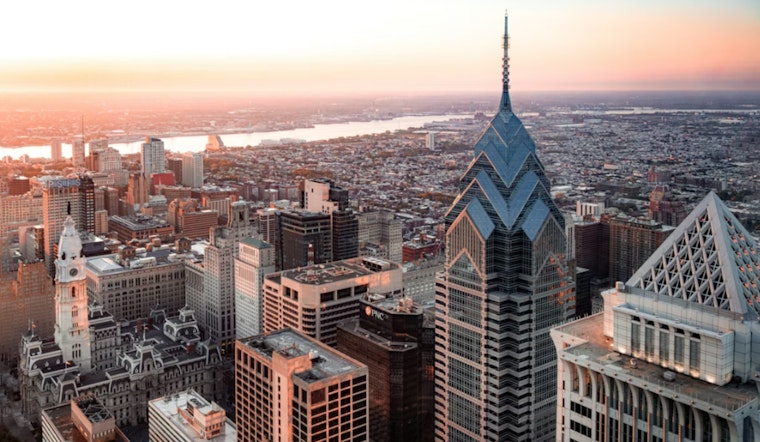
Philadelphia is flexing some serious financial muscle, with three city ZIP codes landing in the top 50 and six in the top 1,000 on the inaugural Wealthy 1000 ranking. The money is not hiding out on the Main Line either. The highest-ranked pockets of cash are packed in and around Center City, not in the region's traditional suburban strongholds.
According to PHILADELPHIA.Today, ZIP code 19103, covering the Rittenhouse, Logan and Fitler Square corridor, lands at No. 24 on the list. ZIP code 19147, which includes Queen Village, Bella Vista and Passyunk Square, comes in at No. 43, while 19106 in Old City grabs the No. 50 slot. The same ranking places 19130 (Fairmount) at No. 102, 19118 (Chestnut Hill) at No. 432 and 19127 (Manayunk) at No. 537.
The Philadelphia Business Journal reports that the Wealthy 1000 is a weighted index that blends income levels, home values and population density. The Journal notes that 40 ZIP codes from the broader Philadelphia region made the national list, a reminder that tightly packed urban wealth can look very different from suburban metrics that focus mainly on median home price.
Why Center City Scored So High
Center City has been doing the heavy lifting on growth. The Center City District's 2025 housing report shows the neighborhood accounted for 44% of all housing completions in Philadelphia in 2024 while taking up under 6% of the city's land area. That crush of new condos and apartments, many marketed at premium rents and sales prices, helps push up both density and the dollar-weighted measures that drive rankings like the Wealthy 1000.
Because the list is laser-focused on concentrated wealth, some Main Line suburbs and other long-established affluent areas slide down the rankings when their high-earning households are spread out across larger, lower-density ZIP codes. That math helps explain why a few Center City ZIP codes outrank wide swaths of wealthier-in-reputation but more dispersed suburban addresses.
What It Means For The Rest Of The City
For everyday Philadelphians, the ranking is a pointed reminder that eye-popping ZIP codes sit a short walk or bus ride from neighborhoods still wrestling with affordability and long-standing housing needs. Local efforts such as the Philadelphia Housing Development Corporation's Turn the Key program and other affordability initiatives remain central to pushing back against rising rents and expanding access to homeownership, as city agencies have emphasized in recent public statements.
City leaders, developers and neighborhood advocates are likely to treat the Wealthy 1000 as a snapshot of where spending power is clustering and where new investment or policy guardrails may be needed to keep growth aligned with equity goals. For the full rundown of how local ZIP codes fared, see coverage in the Philadelphia Business Journal along with additional reporting from PHILADELPHIA.Today.





