

























































Food lines are getting longer across the Charlotte area while pantry shelves are thinning out, leaving staff and volunteers scrambling to stretch every donation. From small church closets to major distribution hubs, operators say they are juggling schedules, rationing boxes and doing everything they can to keep from turning hungry families away.
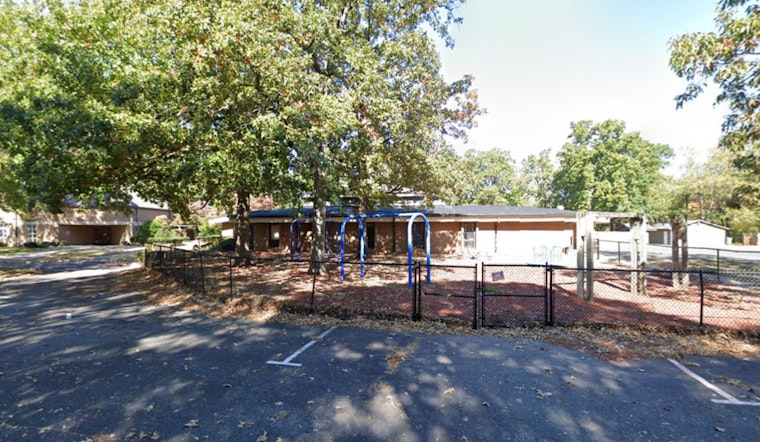
On the west side, Champion House of Care is feeling that pressure every week. Executive Director Janette Kinard told WCNC that donations "have gone down" even as her team now packs roughly 1,500 to 1,600 boxes a week. Staff have resorted to splitting a single food box into two smaller ones so more families can get at least something, a workaround pantry workers described as necessary as the shortfall worsens day by day.
Donations Dip As Need Climbs
The squeeze at neighborhood pantries mirrors what major funders and food banks are reporting across the Carolinas. Partner organizations have flagged drops in public funding and fewer food donations at the same time operating costs are rising. The David & Nicole Tepper Foundation recently announced an over-$10 million commitment to food banks in the Carolinas after hearing from partners about falling donations and surging demand, a signal of how widespread the problem has become.
Big Numbers Behind The Strain
Second Harvest Food Bank of Metrolina reports it distributed almost 90 million pounds of food in fiscal 2023–24, a volume that points to how heavily families are leaning on the charity network. Nourish Up says it provided groceries to a record 164,608 people in 2024, underscoring that the pressure is hitting both the giant warehouses and the neighborhood pickup sites.
To keep up, Nourish Up opened a 90,000-square-foot facility dubbed the "Hunger Hub," which expanded cold storage capacity and volunteer workspace. Coverage from WBTV highlighted how the new site boosts what the nonprofit can handle, even as leaders acknowledged the extra room has not eliminated the strain on local pantries that actually hand food to families.
What's Driving The Surge
Local leaders point to higher grocery prices and ongoing financial stress inside many households as key reasons more people are showing up at pantries. State and national reports have also warned that pauses or cuts to SNAP and related benefits can quickly push additional families toward emergency food assistance, a shift food-bank officials say the charitable system alone cannot fully absorb. For a broader look at how benefit changes are affecting hunger in North Carolina, see reporting from Axios.
How Pantries Are Coping And How To Help
To get through the crunch, many pantries are trimming portion sizes, adding extra packing shifts and leaning harder on volunteers. Operators are also urging neighbors to consider monetary donations, noting that cash stretches further than most grocery drop-offs. Second Harvest Food Bank of Metrolina says each $1 it receives can provide roughly seven pounds of food. Neighborhood organizations such as Champion House of Care list online and mail-in options so community members can plug in directly.
Pantry staff and volunteers say the strain is likely to continue into spring unless donations rise or household budgets ease up. They are urging residents to give what they can, and to nudge local employers and faith communities to get involved. Their core message is straightforward: sustained, reliable support helps keep food on neighbors' tables, even when every box has to be stretched as far as possible.





