

























































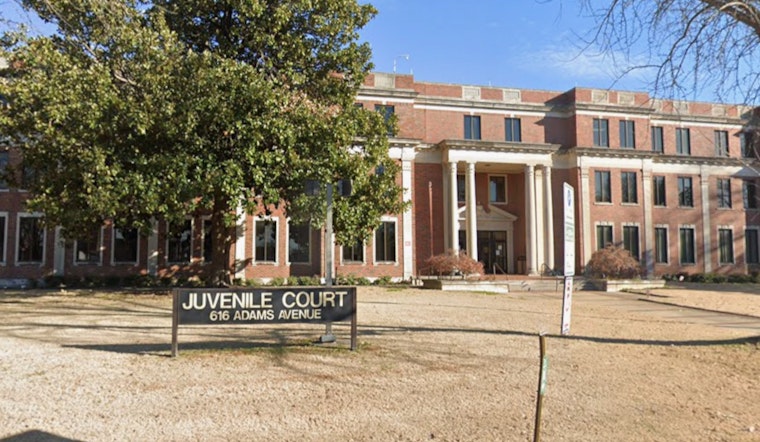
Across Memphis, parents say the child support money they rely on has slowed to a trickle or stopped altogether, weeks and even months after Tennessee handed many local cases to a new private vendor. The result, they say, is bare refrigerators, overdue rent, and tough choices about which bill gets paid first. Judges and attorneys report packed dockets and a steady stream of frustrated families at juvenile court asking for emergency help, while local officials warn the backlog has turned into a full-blown crisis.
How Tennessee’s Child Support System Works
The statewide child support program, known as Title IV-D, is run by the Tennessee Department of Human Services, which contracts with private vendors to operate local offices and collect payments, according to the Tennessee Department of Human Services. Vendors are assigned to specific judicial districts so the state can set policy from Nashville while contractors handle everyday filings, collections, and customer service. Court materials note that this split structure only functions when state officials, local courts, and vendors keep their paperwork and payment systems tightly aligned.
Backlog, Caseloads And Filings
According to WREG, judges say the vendor switch left roughly $1.6 billion in child support payments sitting unprocessed. Shelby County Juvenile Court Judge Tarik Sugarmon told reporters the court oversaw 33,611 child support hearings in 2025 and had about 13,921 active child support cases that year. He also said the new contractor had filed roughly 1,037 petitions since taking over. Court officials say those numbers help explain why parents keep coming back to the courthouse, asking judges to issue emergency orders and reconcile missing or misdirected payments.
Contract Change And The New Vendor’s Role
State contract documents show the Department of Human Services approved agreements last year that shifted several judicial districts to a new contractor, Veritas HHS. The competitively bid contract moves day-to-day case management and payment receipting to the vendor and requires close coordination between county offices, local courts, and Veritas to make sure money is tracked and routed correctly. State contract records and court presentations say transitions like this typically need heavy local support in the early months, when backlogs are most likely to pile up.
Families And Judges Press For Fixes
Parents interviewed by WREG describe child support checks that normally cover rent, groceries, utility bills, clothing, and transportation simply not arriving, with immediate fallout at home. In response, judges have appealed to lawmakers in Nashville for emergency assistance and stronger oversight while courts juggle backlog hearings. Court officials have also warned that state funding for a non-custodial parent office is scheduled to end when the current fiscal year closes, raising fresh concerns about where parents will turn for help navigating the system. Advocates and court leaders say lawmakers need to tighten oversight and require clearer reporting from the vendor so money earmarked for children does not get trapped in a bureaucratic logjam.
What Officials Can Do Next
State leaders have several tools available. Lawmakers and agency officials could approve emergency funding, demand detailed performance reports from the contractor, or instruct the Department of Human Services to revisit transition terms within existing procurement rules. Local juvenile courts say they will keep moving cases involving urgent child welfare issues to the front of the line while county child support offices work to reconcile receipts and redirect payments, according to Shelby County Child Support Services. Families who are missing payments are being urged to contact their local clerk or use the One DHS customer portal to flag problems and make sure their case information is current.
For now, Memphis parents and court officials are waiting to see whether Nashville steps in quickly enough to relieve the backlog before more households feel the squeeze. Judges and families say they plan to keep pressing for immediate fixes so support meant for children stops getting tangled in transition paperwork.




