

























































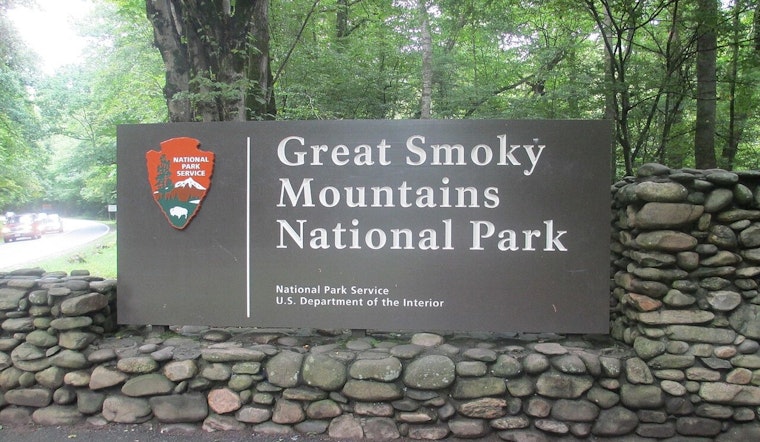
Starting April 30, backpackers heading into Great Smoky Mountains National Park’s backcountry will have to click before they camp. The park is shifting its permit system to Recreation.gov, tacking on a new reservation charge and scrapping a long-standing cost cap. The nightly backcountry fee itself stays relatively low, but longer trips and thru-hikes could see noticeably higher totals. If you already scored a permit for a trip after April 30, you are in the clear: those existing reservations will still be honored.
Park announces the switch
The National Park Service quietly updated the park’s backcountry camping page on April 9 with a key sentence: “Beginning April 30, all new permits will be issued through Recreation.gov,” and it clarifies that visitors with existing backcountry reservations do not need to do anything, according to Great Smoky Mountains National Park. Under the change, the $8 per-person, per-night backcountry fee sticks around, but a $6 non-refundable permit reservation fee is added. The old $40 per-person cap on total permit cost disappears, and the new system lists an Appalachian Trail thru-hiker pass at $44.50. The park also restated familiar rules: most sites still carry a three-night maximum stay, and shelters and site 113 do not allow consecutive nights at all.
How local reporters framed it
Local TV outlet WATE 6 On Your Side flagged the shift on April 10, noting that the move folds Smokies backcountry reservations into the same federal platform that handles bookings at many other parks, while layering on typical Recreation.gov fees, as reported by WATE 6 On Your Side. Park staff told the station the change is mainly administrative and meant to streamline how people book trips, but WATE pointed out that eliminating the $40 cap could bump costs for hikers planning longer routes. The station also reminded would-be backpackers that staff at the Sugarlands Backcountry Office are still on duty to walk people through the process.
Why managers pushed the change
Park leaders say the backcountry fee program helps cover trail work, visitor safety and staffing as part of the broader “Park It Forward” effort that launched in 2023, according to the park’s fee program page. That rollout set the original backcountry rates and cost cap to keep things predictable for visitors. Shifting permits to Recreation.gov and adding a reservation fee is described as the next operational step to keep money flowing to maintenance crews and ranger programs. Gateway communities and volunteer trail groups have generally welcomed a more stable funding stream, even as they keep an eye on whether higher overall costs start to discourage overnight trips.
How to plan your trip
If your Smokies adventure starts after April 30, it is worth setting up a Recreation.gov account ahead of time and confirming any reservation you already hold so you are not troubleshooting on the trailhead parking lot. Recreation.gov spells out its own reservation and cancellation policies, so read those carefully and be ready to print or download your permit before you head out, per Recreation.gov. For help figuring out an itinerary or sorting through the fine print, the park’s Backcountry Information Office is still available by phone and in person at Sugarlands.
What hikers should watch for
Backpackers planning bigger adventures would be smart to break out a calculator before they hit the "reserve" button. Without the old $40 cap, multi-night loops and thru-hikes are more likely to rack up higher total fees than under the previous system, according to park guidance. Coverage of the Park It Forward program reports that the new and steadier fee revenue has already paid for more than $10 million in improvements and maintenance in the park’s first year, which managers say is exactly the goal of the shift, according to Smoky Mountain News. Practical prep remains the same: check Recreation.gov for availability, keep your dates flexible if you can and make sure you carry a paper or digital copy of your permit while you are in the backcountry.





