

























































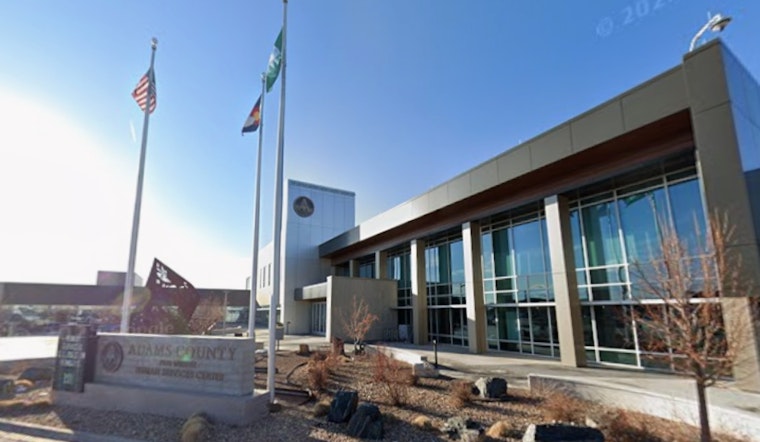
The former regional executive director of CASA of Adams & Broomfield Counties is accused of quietly turning a donor’s generosity into a personal windfall, reportedly pocketing about $99,000 that was supposed to fund her graduate degree at the University of Denver. State investigators say Lindsay Salas manipulated tuition invoices, sending padded and fake bills through the nonprofit so that both a major donor and CASA would unknowingly overpay, then kept the money when the university later reimbursed her. The Colorado attorney general’s civil case wrapped up this week with a consent judgment that orders partial repayment and sends recovered funds back to the nonprofit.
How the state says the scheme worked
According to The Colorado Sun, Salas started an MBA program at the University of Denver in 2022 after one of CASA’s top donors stepped up to cover her tuition. The outlet reports that she first submitted legitimate tuition invoices to CASA, then began altering those bills and, in several cases, creating outright fake invoices. CASA paid the invoices directly to DU, and the university later reimbursed Salas when her student account showed excess payments.
Court records cited by The Colorado Sun say three of the fraudulent invoices were each for $19,900, and that the University of Denver ultimately paid Salas roughly $99,000 in refunds tied to the inflated amounts.
“This case is a clear example of the harm that occurs when someone abuses the public’s trust in charitable giving,” Attorney General Phil Weiser said in a news release, according to The Colorado Sun. Investigators in the attorney general’s office concluded that Salas violated the Colorado Consumer Protection Act and the Colorado Charitable Solicitations Act. Under the consent judgment, she is required to pay $66,000 to the state over six years. The civil agreement resolves the state’s complaint, court records note, and does not block other potential legal action.
What CASA does and why donors matter
CASA of Adams & Broomfield Counties recruits and trains volunteer court-appointed special advocates who speak up for abused and neglected children in court, according to the organization’s website. As CASA of Adams & Broomfield Counties explains, volunteers are appointed by judges to represent a child’s best interests, and the program depends heavily on philanthropic support to keep its advocacy work going. Under the consent judgment, any funds the state recovers in the case are required to be returned to CASA to support that mission.
How university billing led to refunds
University billing may not sound like thriller material, but it is key to what the state says happened here. Colleges typically issue refunds when a student account ends up with a credit balance after all charges and financial aid are posted, and those refunds go either to the student or to whoever originally paid. The University of Denver’s billing information explains that credit balances created by loans, scholarships, or other payments are refunded to the student or payment source after the account is reconciled, and that the Office of Student Billing processes those refunds.
According to state investigators, the routine accounting process became the vehicle for the alleged scheme. Overpayments that were routed through CASA to DU ended up credited back to Salas as reimbursements when her account showed a surplus.
Salas’ background and fallout
A regional profile notes that Lindsay Salas joined CASA in 2013, worked her way up through the development side of the organization, and eventually became the local agency’s leader. The same profile says she was pursuing an Executive MBA at the University of Denver.
The attorney general’s complaint and related court records, as reported by The Colorado Sun, allege that Salas first received a $5,000 scholarship that created a surplus on her DU account. She allegedly spent that surplus for personal purposes, then, after learning that DU would issue refunds on excess balances, began altering invoices to generate more overpayments and more refunds.
The case has sparked renewed discussion about financial controls at smaller nonprofits that rely on a handful of major donors and a high level of trust in top staff. The consent judgment returns a portion of the money to CASA and leaves open the question of whether prosecutors or regulators will pursue additional civil or criminal remedies. For now, the state says recovered funds will be routed back to CASA while the organization and its board weigh how to strengthen oversight going forward.





