

























































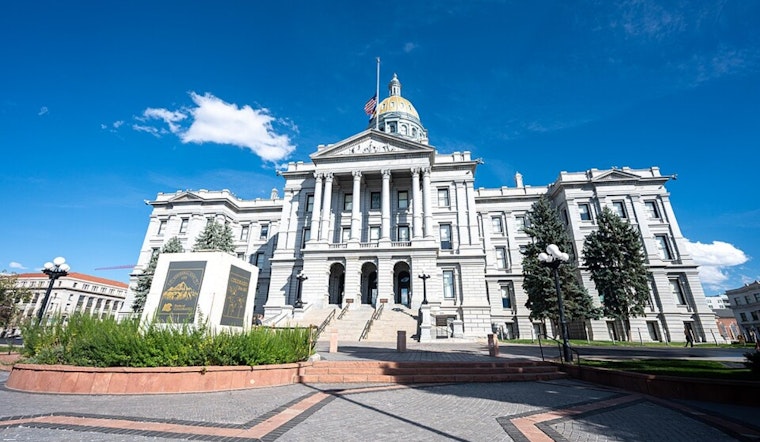
Colorado lawmakers are moving ahead with a plan that could quietly strip millions from city and county coffers by cutting off a long-standing slice of state marijuana tax money. This week, the House Appropriations Committee signed off on the measure in a 10-1 vote, sending it to the full House for debate.
What the bill would change
House Bill 26-1409 targets the 3.5 percent share of the state’s retail marijuana sales tax that currently flows back to local governments. Instead of returning that money to counties and towns, the bill would redirect it into the state’s Marijuana Tax Cash Fund, according to the Colorado General Assembly.
The bill’s initial fiscal note estimates that local distributions would fall by about $6.05 million a year. It also projects that roughly $12.2 million would be shifted into the State Public School Fund over the next two years, according to the March 2026 revenue forecast, according to documents from the Colorado General Assembly.
How much is at stake
Colorado’s once-booming cannabis market has cooled off from its pandemic peak. Retail and medical marijuana sales hit about $2.23 billion in 2021 and dropped to roughly $1.21 billion in 2025, according to sales data from the Colorado Department of Revenue.
Tax collections slid right alongside those numbers. Marijuana tax revenue fell from about $423.5 million in 2021 to roughly $236.4 million in 2025, based on tax reports from the Colorado Department of Revenue.
Local leaders push back
City officials say the proposed cut is not some harmless budget tweak, warning it would squeeze money many communities rely on for basics like street work, public safety and other day-to-day services.
Kevin Bommer, executive director of the Colorado Municipal League, did not mince words. “Look, I’m stunned it lasted this long,” he told reporters. The league is listed as the only registered opponent to the bill, according to Westword.
A shrinking "kickback"
The local share at stake has already been chipped away more than once. Lawmakers first cut the percentage returned to participating jurisdictions in 2017, then took another bite in the 2024–25 budget, dropping the local share to 3.5 percent starting in 2025, according to The Colorado Sun.
Local officials argue that those repeated trims have left smaller communities especially vulnerable when statewide marijuana tax collections sag.
What comes next
The bill now heads to the full House, where supporters say consolidating what is left of marijuana tax revenue will help shore up statewide programs. Opponents counter that the plan simply shifts financial pressure onto cities and counties already juggling softer cannabis sales.
Local governments would still be allowed to impose their own marijuana taxes. Even so, municipal leaders say new local levies are a clumsy stand-in for reliable state distributions, a concern highlighted in coverage by Westword. Lawmakers have not set a final floor date.





.jpg)