

























































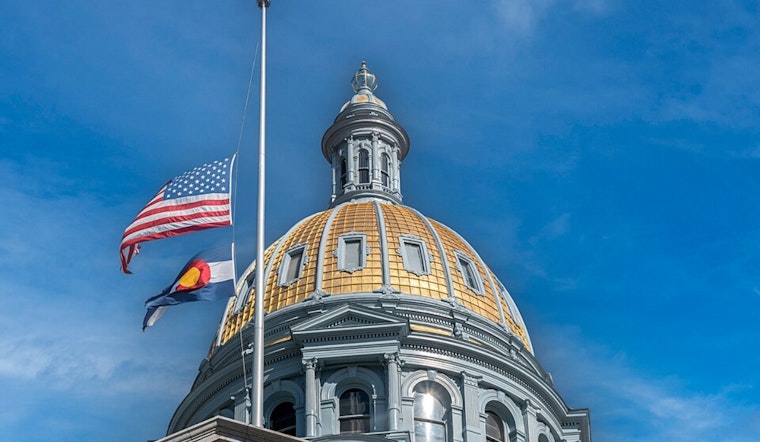
On April 22, Colorado lawmakers gave geothermal energy a major nudge forward when the Senate Transportation & Energy Committee voted 5-2 to send Senate Bill 26-142 to the Committee of the Whole. The proposal would push state agencies and utilities to map underground heat, seek out geothermal project ideas and loosen some municipal rules for shared heating and cooling systems. Supporters say the goal is to turn decades of oil and gas data, plus experimental deep drilling, into real-world clean power.
The 5-2 vote came after debate over how to handle private data, permitting, and financing. The bill instructs the Colorado Energy & Carbon Management Commission and the Colorado Geological Survey to gather and publish geothermal data, and it requires investor-owned utilities to identify and solicit both small and large geothermal projects, according to the Colorado General Assembly. It would also raise the allowed nameplate capacity for community geothermal gardens and remove a statutory voter-approval step for certain municipal heating and cooling systems that use geothermal or waste heat.
Developers and utilities told lawmakers that those changes could cut red tape and help money start flowing. As reported by Colorado Public Radio, Jeremy Ross testified that "geothermal will play a big role in Colorado's future electric generation," while developer Jonathan Power argued that "we need investment and support in the terms of policy so that we can get utilities to take a risk." On the ground, the case for moving quickly is already being tested: experiments such as the GLADE pilot in Weld County, one of the deepest wells ever drilled in the state, indicate crews can reach very hot rock, according to Canary Media.
The bill also tells state agencies to look at wells that are about to be plugged, including orphaned and marginal wells, to assess bottom-hole temperatures and thermal gradients. That language matters because Colorado's Orphaned Well Program reported about 948 orphaned wells as of June 30, 2025, along with a cache of logs and bottom-hole measurements that could help show where heat is already within reach, according to the Energy & Carbon Management Commission.
What Comes Next
SB26-142 now moves to the Committee of the Whole. If it clears that hurdle, it could head to the full Senate and then the House before the legislative session wraps up. Lawmakers still have to decide how to pay for the searchable geothermal database the bill envisions and how to structure the risk-mitigation tools it calls for. The state has already put millions into geothermal pilots - the Colorado Energy Office awarded roughly $14-17 million in geothermal grants last year, according to the Denver Gazette - but supporters say deeper drilling will also require federal and private capital.
Legal Implications
One of the most controversial changes in the bill is the removal of a statutory voter-approval requirement when a municipality builds or acquires heating and cooling distribution systems that rely on geothermal or waste heat. Backers argue that cutting that step will speed up the deployment of local systems. Critics counter that it trims back local oversight on big infrastructure decisions.
The bill also tells agencies to respect private-property rights and not to force operators to release proprietary data, even as it calls for collected geothermal data to be organized in a searchable database and made available for free when possible. How those tradeoffs are handled will help determine which projects advance and who ultimately benefits.
If SB26-142 becomes law, Colorado could turn thousands of idle wells and a few deep-drilling pilots into a steady source of clean heat and power. That will only happen, though, if funding, permits and community support line up, and if lawmakers can balance the technical promise with property rights and regulatory safeguards as the session continues.





