

























































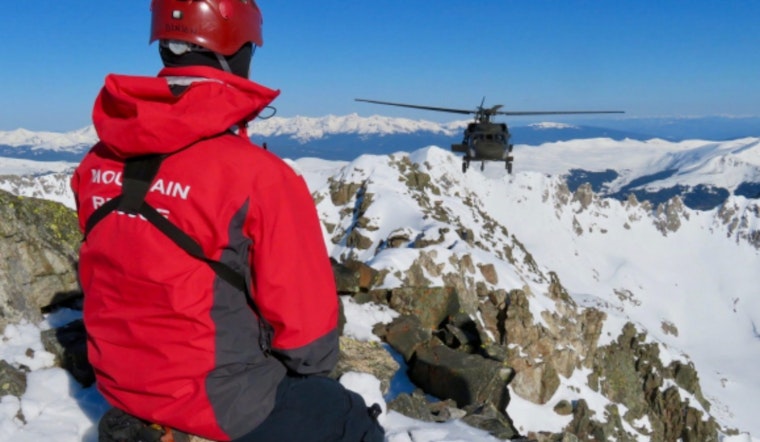
Colorado is shaking up how people get pulled out of trouble in its mountains, forests and high country, handing the keys for statewide coordination to Colorado Parks and Wildlife and the state’s Division of Homeland Security and Emergency Management. The new structure, laid out in a statewide agreement, is set to kick in Aug. 1 and will replace the long-standing, volunteer-led system that has quietly kept things running for decades.
In a press release via SECO News, state agencies said the interagency agreement (IAA) formalizes how DHSEM, CPW and the Colorado County Sheriffs will divide responsibilities once local resources are maxed out. It also sets expectations for when and how statewide assets get called in for both small and large backcountry incidents. The IAA is pitched as a way to clarify who is in charge and to speed up requests for aircraft, drones and trained K-9 teams when things go bad far from the trailhead.
The move comes out of recommendations from a 2022 Backcountry Search and Rescue study and the state’s broader effort to centralize administration of the BSAR fund, as outlined in materials from Colorado Parks and Wildlife. Those documents trace legislative and administrative shifts that pulled BSAR funding into state hands and urged a staff-supported, statewide coordination model to better support roughly 2,800 volunteers across about 50 teams.
Not everyone in the field is thrilled. Longtime volunteer Erik Rasmussen warned that the handoff could slow responses when minutes matter. He told CBS Colorado, "If now it takes me six hours to get that Black Hawk helicopter instead of one hour, that's a big deal." Rasmussen and other seasoned volunteers say they were caught off guard by the decision and are pushing for clearer transition planning, so hard-earned institutional knowledge does not vanish in a shuffle of org charts.
State officials, for their part, emphasize that county sheriffs will still hold statutory authority for local rescues, and they insist this is more backend cleanup than takeover. CPW says it will issue a public solicitation for coordination services, with the Colorado Search and Rescue Association eligible to apply, according to reporting by KSUT Public Radio. Officials describe the change as a management and accountability upgrade aimed at steady funding and clearer support lines, not a replacement of day-to-day county rescue operations.
What This Means On The Trail
For anyone lacing up boots or clipping into skis, the front-facing rules are unchanged: call 911, and local sheriff’s offices will activate county search-and-rescue volunteers, according to Colorado Parks and Wildlife. The new agreement is focused on what happens behind the scenes when local teams need backup, spelling out how and when extra statewide resources get mobilized. Day-to-day rescues remain a county responsibility, at least on paper.
Legal And Funding Notes
The IAA also dives into the less glamorous but crucial details about legal protections. It lays out how state liability coverage and the Colorado Governmental Immunity Act will apply to search-and-rescue operations, a provision intended to reassure volunteers and sheriffs, per reporting by KSUT Public Radio. State reporting materials note that since the BSAR fund shifted into CPW in 2023, the agency has directed millions of dollars to local teams for equipment and training, a level of investment that supporters say calls for more formal administration and oversight.
Officials say the IAA becomes active Aug. 1. Between now and then, volunteers and sheriffs will be watching the public-bid process and rollout plans closely as the state formalizes a role it has been inching toward for years. For anyone heading into Colorado’s backcountry, agencies keep repeating the same simple advice: carry proper gear, understand the risks and call 911 if you need help.





