

























































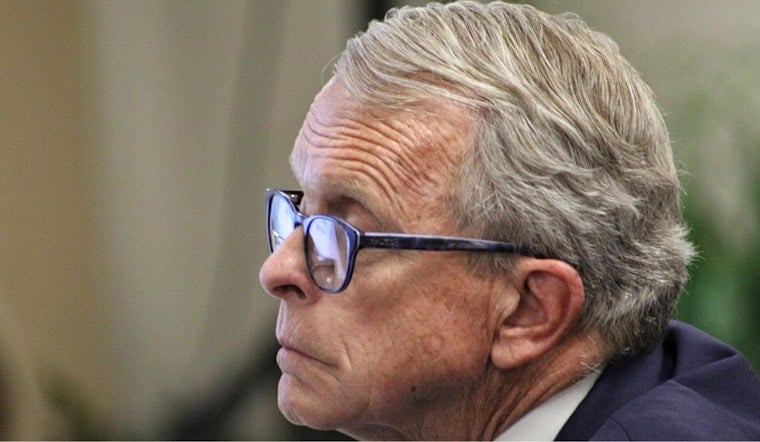
Six months after Ohio’s highest court told the state to pay up, nursing homes are still waiting for millions in quality-incentive dollars, and lawmakers are losing patience with Gov. Mike DeWine and the Ohio Department of Medicaid. Providers and advocates say the holdup is creating real-time cash-flow strain for facilities statewide, and legislators want a firm date for when the recalculated money will actually land in providers’ accounts.
Supreme Court Ordered Recalculation
On Sept. 2, 2025, the Ohio Supreme Court unanimously granted a writ ordering the Department of Medicaid to recalculate quality-incentive payments and pay nursing home providers according to state law, according to the Ohio Supreme Court. The justices found the department misapplied the formula in R.C. 5165.26 by relying on the change in price instead of the change in each facility’s rate for direct care costs.
How Much The State Could Owe
Ohio Medicaid told the court the underpayment came to roughly $572 million over a two-year period, according to reporting by the Dayton Daily News. The broader potential impact has been pegged at about $285 million per year and as much as $1 billion over two budget cycles, figures that officials and providers say would require new appropriations, according to the Ohio Capital Journal.
Lawmakers Letters And Pressure
Despite the court order, lawmakers say they still have no straight answer on timing. Butler County Sen. George Lang and other Republicans sent a letter in January to the Department of Medicaid, asking for a response within 10 days. When that did not produce a clear schedule, roughly a dozen additional lawmakers followed up in March with a letter to Gov. DeWine, pressing for a timetable and urging the administration to get payments out the door, according to Cleveland.com.
Providers Say The Delay Is Hurting Finances
On the ground, operators and trade groups say the limbo is forcing uncomfortable decisions. Ohio Health Care Association CEO Scott Wiley told the Ohio Capital Journal that some facilities are getting conflicting advice from accountants about whether to book the unpaid, court-ordered funds as income, a decision that could trigger tax bills before any money actually arrives.
Legal And Budget Implications
The court rejected the department’s motion to dismiss, even after the Ohio Department of Medicaid told justices that appropriations for the 2024–25 biennium had expired. The opinion noted that the statutory formula is still in effect and that the dispute is not moot, according to the Ohio Supreme Court. That leaves the department legally obligated to follow the formula while lawmakers and the administration wrestle with how to cover the cost.
What Comes Next
Industry groups say they are still waiting for concrete next steps. LeadingAge Ohio told members it has encouraged providers to reach out to legislators directly and said associations are waiting for outreach from the department, according to a statement from LeadingAge Ohio. Lawmakers, meanwhile, say they will keep pressing DeWine for a clear timetable so nursing homes can plan around money they are legally owed but still cannot count on in their budgets.



