

























































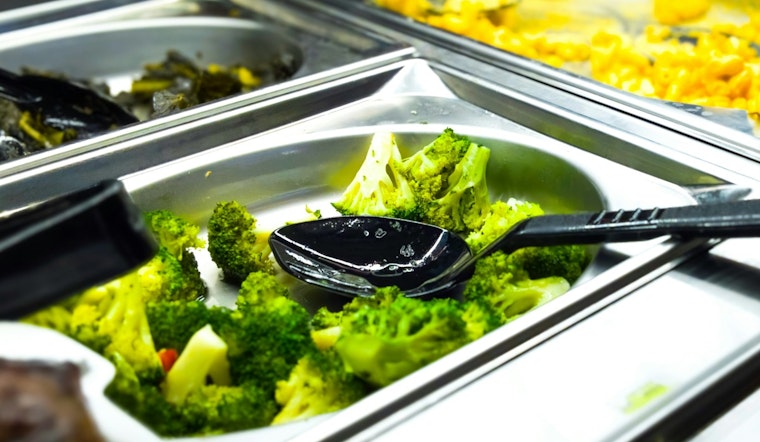
New York City's school cafeterias are churning out hundreds of thousands of meals a day, yet much of the edible surplus never reaches food pantries and a big chunk of what is set aside for compost is too contaminated to use. That is the uncomfortable picture painted in an April 21, 2026 review of the public schools' food programs, which argues the main problem is not a lack of food, but a lack of tracking, targets and coordination.
The review highlights weak data systems, low donation rates and high contamination in school organics that together undercut the city's goals for composting and food rescue. Advocates and city officials have already been calling for better coordination across agencies, and this latest analysis frames the issue as a management problem that can be fixed if the city chooses to get serious about it.
City records show the Office of Food and Nutrition Services logged 153,283,016 meals and 220,587,668 total meals and snacks in fiscal year 2025. That works out to roughly 935,055 meals served on an average school day across the system. The NYC Food Standards Compliance Report provides the meal totals that underscore how much is at stake if the system gets better at rescuing food or cleaning up compost streams.
School organics are heavily contaminated
When it comes to composting, schools are struggling. The Department of Sanitation's 2023 Waste Characterization Study found organics collected from schools had contamination rates close to 28 percent, compared with about 4 percent in curbside organics from households. In other words, almost one-third of what schools send for composting is mixed with trash or other noncompostable material.
The DSNY 2023 Waste Characterization Study and the city's draft solid-waste planning documents warn that high contamination cuts into the amount of usable compost and raises processing costs. The review points out that until schools get sorting right, they will keep paying for a compost program that cannot deliver its full environmental benefits.
Donations and tracking fall short
The report is equally blunt about food rescue. Only 67 school buildings reported donating packaged or uneaten food to outside organizations in fiscal year 2025, a tiny share of the system. The review concludes that New York City Public Schools does not centrally track how many meals are prepared or where surplus food ends up, which makes it hard to expand donations or even measure how much is being wasted.
The authors recommend that NYCPS set agency-wide targets for both composting and food donation and build a centralized data system to track performance against those goals. In a public summary of the review, the Office of the New York City Comptroller Mark Levine echoed those points, stressing that without basic numbers on surplus and donations, it is almost impossible to run a serious food-rescue operation.
Scale makes small gains matter
NYC Public Schools operates more than 1,600 schools and serves roughly 1.1 million students. That sheer scale means even modest improvements in donation rates or contamination reduction could move large volumes of food and organics in a better direction.
The size of NYC Public Schools, combined with findings from the Department of Sanitation that food scraps make up a large share of school waste, shows both the potential and the headache. It is a big opportunity, but also a logistical maze.
DSNY data also illustrate how quickly contamination can erode composting gains if schools do not standardize sorting practices and training. Toss a few too many milk cartons or plastic wrappers into the organics bin and the whole batch starts to look more like trash than compost.
What the city said and what is next
The review notes that NYCPS "agreed with recommendation 5, partially agreed with recommendation 4, and disagreed with recommendations 1–3." While the details of each recommendation are not laid out in the summary, the pattern signals a cautious stance from the school system, even as the comptroller pushes for faster movement on centralized tracking, clear targets and scaled-up food rescue.
The Office of the New York City Comptroller Mark Levine says it will monitor how the school system responds. At the same time, the city's draft Solid Waste Management Plan calls for closer coordination among the Department of Sanitation, NYC Public Schools and the Mayor's Office of Food Policy to expand donation programs and improve organics processing.
Advocates argue that many of the fixes are straightforward on paper: set measurable goals, staff up a food-rescue pipeline that can move surplus quickly and train cafeteria workers and students to cut contamination in organics bins. The hard part is doing all of that consistently across more than 1,600 schools.
The comptroller's review notes that NYCPS reported spending about $600 million on food in fiscal year 2025. With that kind of purchasing power, even relatively small operational tweaks could yield outsized benefits for hunger relief, compost quality and the city's climate targets. Job listings and agency materials offer one public reference point for the scale of the Office of Food and Nutrition Services' operations and budget, reinforcing just how big the system is and how much room there is to improve.





