

























































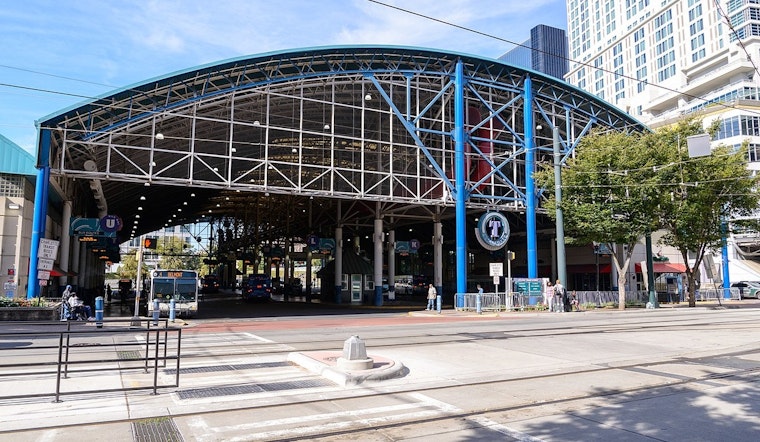
The Charlotte Area Transit System is moving ahead with planning for a proposed 10-mile Silver Line "minimum operable segment" and is now testing cost-cutting ideas that could also nudge the line farther east. CATS posted the update on April 16 and plans a virtual public meeting next Thursday at 6 p.m. to walk through options and take public questions. Officials emphasize these are still planning-level concepts, not done deals, and say any station or alignment changes will have to balance neighborhood access with federal funding criteria.
What CATS Is Putting on the Table
Under the plan now in front of planners, the Phase A minimum operable segment would run from Charlotte Douglas International Airport to the Coliseum/Ovens area, a roughly 10-mile stretch with about 16 stations. According to the Charlotte Area Transit System, that segment currently carries a preliminary capital estimate of about $3.3 billion in 2024 dollars and is being studied for frequent service and high reliability. The current round of work is about sharpening the design, trimming capital costs where possible, and making the project more competitive for federal grants.
How Big the Bill Is and What Might Change
A P.A.V.E. Act value-engineering presentation shared with planners lays out a menu of design and alignment options aimed at pulling down the overall price tag. The materials show that infrastructure design tweaks alone could generate roughly $120 million to $170 million in savings, while consolidating or removing stations could save even more but would come at the cost of reduced local access. The same materials spell out the incremental cost of pushing the line farther east, from a few hundred million to several billion dollars depending on the ultimate endpoint, as detailed in the P.A.V.E. Act presentation.
Value-Engineering Moves Under Review
To squeeze out those savings, planners have flagged a set of near-term tactics that include shortening certain bridge spans, simplifying non-revenue track, reducing the amount of roadway reconstruction, and consolidating or even removing some stations. The P.A.V.E. Act presentation states that planners want to "identify opportunities to extend Silver Line farther east to serve more communities," while also warning that "major design changes are required" to hit the savings needed to reach Matthews. Those tradeoffs between faster trips and lower capital costs on one side, and walkability plus future development potential near stations on the other, are expected to be front and center for the Metropolitan Public Transportation Authority and the public.
How to Weigh In and What Happens Next
CATS is now taking public comment and will stream the virtual meeting next Thursday at 6 p.m. on its YouTube channel to walk through the study findings and hear directly from residents. For meeting details, the presentation, the corridor map, and the virtual comment card, visit the Charlotte Area Transit System site. Staff say they will shape a recommended package after reviewing public feedback and completing more technical work, then bring options to the MPTA for formal action.
Legal and Funding Backdrop
The value-engineering review stems from requirements in the state P.A.V.E. Act, which called for a study of Silver Line East and exploration of funding strategies. Together, the P.A.V.E. Act and the passage of Mecklenburg County’s one-cent transit sales tax form the legal and financial backbone for advancing the corridor, according to the North Carolina session law and CATS' announcement that voters approved the referendum. Even with that local revenue in hand, any extension beyond the minimum operable segment will still need environmental approvals and likely additional funding to cover higher capital costs.
Whether the Silver Line ultimately makes it to Matthews or even farther will depend on how decision-makers juggle cost, ridership, and neighborhood access. The upcoming public meeting and open comment period will be an early test of which tradeoffs residents and businesses are willing to live with to get more rail on the ground.




