

























































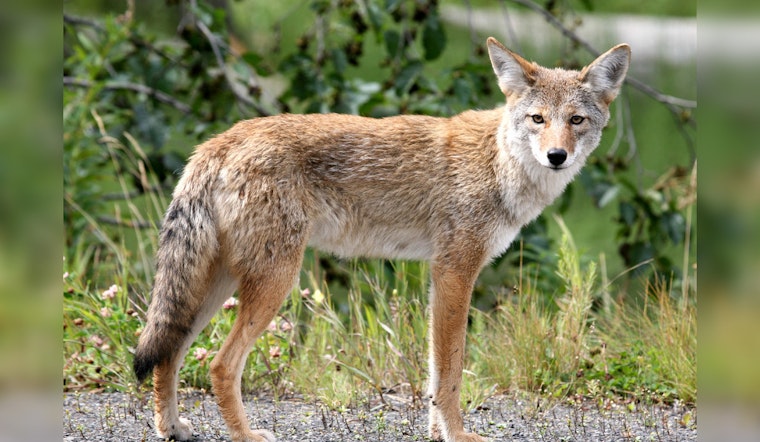
Coyotes are making the rounds in Milwaukee this spring, and they are not exactly being subtle about it. Residents from Riverwest to Shorewood and Wauwatosa have reported animals trotting through parks and along neighborhood streets as pup season kicks into gear. Wildlife managers say adults feeding new litters tend to show up more often in broad daylight this time of year and can act more touchy around people and pets, prompting fresh safety reminders from county and state officials.
The recent uptick was highlighted in a local spring wildlife roundup. According to the Milwaukee Journal Sentinel, the period when pups are born is exactly when adult coyotes are most active near their dens. The coverage flagged several neighborhoods where observers have logged clusters of sightings and relayed safety guidance circulating from local parks staff.
Why pup season matters
Coyotes usually mate in February and March, then give birth after a roughly nine-week gestation, which means most pups show up in April and May. The Wisconsin DNR notes that litters often include several pups, with parents spending weeks guarding dens while other pack members focus on hunting. That intense stretch of feeding and den defense puts adults on the move more often and ups the risk for small outdoor pets that stray too close.
How Milwaukee County is tracking coyotes
Milwaukee County Parks operates an urban coyote management plan and asks residents to report sightings so staff can map where the animals are moving and tailor outreach. The plan leans on non-lethal strategies: hazing, removing food attractants and public education. When staff locate dens, they say information will be posted at trailheads and other public spots to alert visitors. As outlined in the Milwaukee County Parks document, lethal removal is held back for narrow, documented situations and only after other tools are tried and come up short.
What to do if you encounter a coyote
Experts say the key is to look like you belong more than the coyote does. If you see one, stand tall, keep children and small dogs close, and back away calmly without running. UW–Madison extension specialist David Drake told WUWM, "As long as those coyotes are fearful of us, they may just casually walk off" a reminder that hazing and loud noise can work when used appropriately.
Local coyote watchers caution that during pup season, hazing near a suspected den can sometimes create more tension than it solves. If you think pups or a den are nearby, the recommended first move is simple: leave the area and report what you saw to managers instead of trying to chase the animals off yourself.
County officials are also repeating the basics. Residents are urged to remove attractants by securing trash, bringing in bird feeders and skipping the habit of leaving pet food outside. People are asked to log aggressive or unusual encounters so staff can respond. The county plan asks the public to send reports through Milwaukee County's reporting system and mapped platform, according to Milwaukee County Parks. With pups now on the landscape, officials say a little vigilance and a few practical steps go a long way toward keeping both residents and coyotes safe as they share city streets and green spaces.



