

























































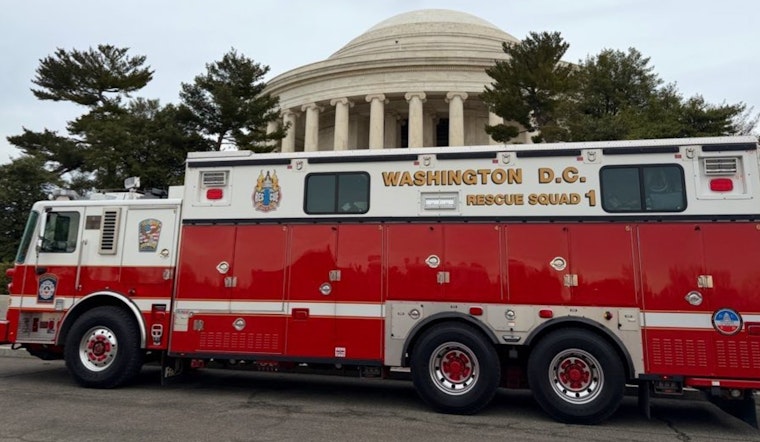
D.C.'s plan to roll out 18 new fire engines just got doused at the Wilson Building, even after the city had already shelled out nearly $900,000 for design and engineering work.
This week, the D.C. Council voted to disapprove a proposed $25 million purchase of new rigs, cutting off the larger deal while leaving the paid design contract intact. The move stalls the purchase and forces city officials back to the drawing board as they scramble to replace an aging fleet that firefighters say is well past its prime.
According to district records reviewed by NBC4 Washington, the nearly $900,000 was paid out in the weeks leading up to the council vote. Because the design agreement came in under the $1 million threshold, it never required council sign-off. The News4 I‑Team also reported that D.C. Fire and EMS told lawmakers that nearly 30 engines are already beyond their service life, a warning meant to underscore how urgent the replacement need has become.
Mayor and fire chief defend the plan
Fire Chief John Donnelly and Mayor Muriel Bowser stood by the original plan and the Michigan-based manufacturer selected for the job, HME. They argued that the company was one of the few willing to meet the city's aggressive delivery timeline in a market where new fire trucks are backed up across the country.
In a letter cited in trade coverage, Bowser called the proposed purchase "the fastest, most cost‑effective path to stabilizing our fire engine fleet." Donnelly told reporters he is "agnostic on the manufacturer" and stressed that his priority is getting working trucks into stations as quickly as possible, according to Firehouse.
Union and council members raised red flags
The city's firefighters union and several council members were not convinced. They questioned how the contract was structured and scrutinized the choice of HME, pointing to reports of reliability problems in other jurisdictions.
The union hailed the council's decision to block the deal, arguing that residents and frontline crews should not be stuck with what it called "poorly executed" apparatus. Fire Apparatus Magazine also noted that other departments have publicly complained about HME's workmanship.
Design work paid for, ethics questions linger
The News4 I‑Team found that the District had already paid nearly $900,000 for design and engineering tied to the proposed purchase. It also reported that Michael Poetker, the deputy chief overseeing the project, previously sold HME trucks in the D.C. region. District ethics officials told the outlet that they reviewed that connection and cleared it.
NBC4 Washington reported that D.C. Fire warned council members the disapproval could push new engine deliveries out by years. The department said it is now weighing other options to swap out its aging rigs.
What comes next for the fleet
With the $25 million contract off the table, D.C. Fire officials say they will dig into backup plans and different purchasing paths. That could mean restarting a competitive bidding process or hunting for other vendors able to hit the timelines the department says it needs.
Industry coverage noted that the original manufacturer had told the city it could produce the first engine in roughly a year, then deliver about one unit per month after that. That schedule was a major reason the department backed the cooperative agreement in the first place, according to Fire Apparatus Magazine.
Council oversight may ramp up
Council members have signaled they are not done asking questions. Several said they plan to press city procurement officials on how HME ended up with the deal and how nearly $900,000 in design spending moved forward with so little public scrutiny.
Trade coverage has pointed out that the design agreement stayed in place because it fell just under the dollar threshold that triggers council review, a detail that left some lawmakers fuming. That workaround, they said, highlights the need for clearer rules and tighter oversight of big-ticket purchases, according to Firehouse.


