

























































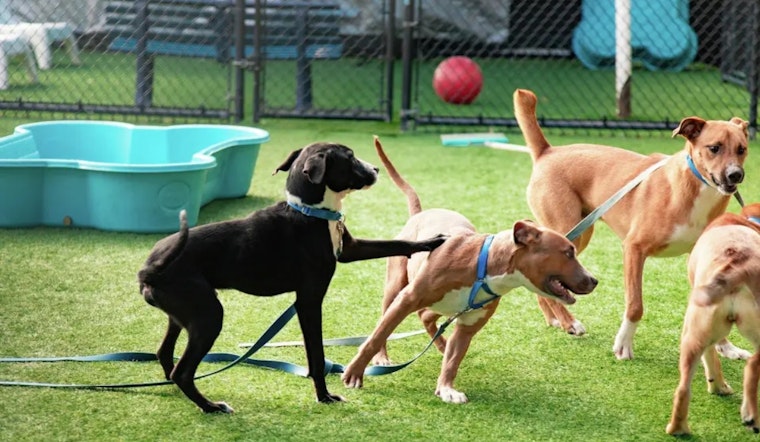
At its peak on Sunday, Dallas Animal Services was caring for 674 dogs in 388 kennels, including 67 nursing puppies with their mothers, and the shelter is urgently asking residents to foster or adopt to free up space. Staff warn that overcrowding makes routine care harder and raises the risk of illness among animals. That is a lot of paws on concrete, and every one of them needs somewhere to go.
Shelter Numbers And Recent History
According to The Dallas Morning News, those figures came in a department statement, and the shelter says the last time counts were that high was October 2023. The paper also noted earlier surges, including a May 2024 period when DAS reported roughly 510 dogs in 300 kennels, about 170% capacity, and intake rates in July 2023 that ranged from 40 to 80 dogs a day.
What Officials Say
“Every adoption or foster placement makes an immediate difference — not just for that dog, but for the next one who needs our help,” Victoria Chittam Bennett, assistant director of Dallas Animal Services, said in the department's statement, per The Dallas Morning News. Shelter officials say that moving animals into homes helps prevent the spread of disease and frees kennel space, allowing staff to respond to new intakes instead of scrambling for room.
How To Help
Dogs available for fostering or adoption are listed online and can be adopted or picked up for same-day fostering at the main shelter at 1818 N. Westmoreland Road. The department points potential fosters to Dallas Animal Services, which lists [email protected] for foster questions and [email protected] for adoption inquiries and provides online applications and resources. In other words, if you have space on your couch, they have a dog for it.
What To Expect At The Shelter
As the city’s open-admissions shelter, DAS posts daily kennel counts and live-release data on its official pages so volunteers and rescue partners can target urgent needs, according to the City of Dallas. With dozens of animals arriving most days, shelter leaders say community fosters, adopters and rescue pulls are crucial to avoid turning animals away and to keep the operation from buckling under the steady flow of new intakes.





