

























































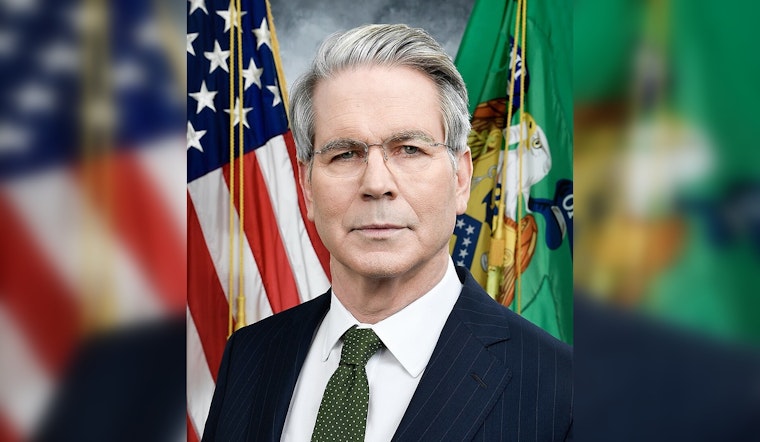
Treasury Secretary Scott Bessent and Federal Reserve Chair Jerome Powell quietly pulled some of Wall Street's biggest names into Treasury headquarters this week for a no-press-allowed briefing on a very 2026 kind of problem: cyber risks tied to Anthropic's newly revealed Claude Mythos model. The message, according to people familiar with the sit-down, was straightforward and urgent - if advanced AI starts speeding up exploit development, banks had better be ready long before the first real-world test.
Citigroup's Jane Fraser, Goldman Sachs' David Solomon, Bank of America's Brian Moynihan, Morgan Stanley's Ted Pick and Wells Fargo's Charlie Scharf were among the executives at the table, according to Bloomberg. Bessent and Powell used the closed-door session to press the group to scrub their defenses, re-check contingency plans and assume that AI-assisted hackers may move faster than anything they have seen before.
Reuters confirmed the briefing and reported that invitations went out while many CEOs were already in Washington for other finance-industry gatherings. Reuters also noted that JPMorgan's Jamie Dimon was invited but did not attend, and that both agencies and banks declined to spell out what specific follow-up steps could come out of the meeting.
What Mythos Can Do
Anthropic says the Claude Mythos Preview has already autonomously discovered "thousands of high-severity vulnerabilities" across major operating systems and web browsers and that access is being tightly restricted to a vetted defensive coalition called Project Glasswing, according to Anthropic. The company has published a detailed system card and says it is working with dozens of partners and more than 40 additional organizations to scan and patch critical software before releasing deeper technical details.
Why Regulators Are Nervous
Security researchers have been warning that a model capable of both finding and chaining vulnerabilities could dramatically compress the time between discovery and active exploitation. That kind of acceleration raises the stakes for banks that run on familiar software stacks and cannot afford extended downtime. It is also why regulators zeroed in on the heads of so-called systemically important banks for this particular briefing, according to The Guardian.
What Banks And Regulators Said
Banks and federal officials kept public comments to a minimum about what was said in the room, Reuters reported. Regulators have signaled, however, that they expect institutions to reassess their exposure, accelerate patching where needed and treat AI-driven vulnerability discovery as a near-term operational risk rather than a far-off science project. Reuters also noted that Anthropic has been in ongoing talks with U.S. officials and is limiting access to Mythos in an attempt to prevent misuse.
Local Angle
Anthropic is headquartered in San Francisco, and its cautious rollout of Mythos has already caught the attention of local tech watchers. Hoodline has previously taken a closer look at the company's defense-first strategy for Project Glasswing; SF's Anthropic Unleashes Mythos breaks down the early partner roster and some of the initial technical examples the company shared.
The Washington briefing stands out as a relatively rare case of financial regulators convening bank chiefs to talk primarily about an emerging AI threat vector rather than traditional market or credit risk. No immediate policy moves came out of the gathering, but the tenor of the meeting signaled that advanced AI-fueled vulnerability discovery is now on the list of issues that sit at the intersection of cybersecurity, economic stability and national security.





_(cropped).jpg)