

























































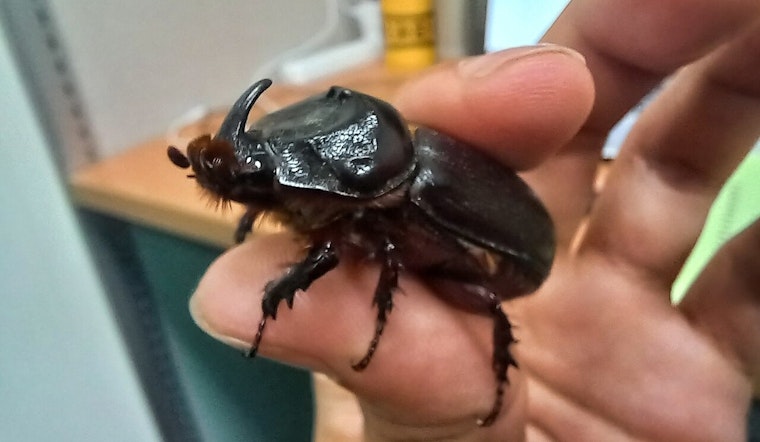
One dead bug is all it took to put Maui on alert. A single coconut rhinoceros beetle was pulled from a detection trap near Kahului Airport on April 1, triggering a rapid biosecurity response. State and local partners say the insect, later identified as a female, was turned over to agriculture inspectors for lab confirmation. It is the third time coconut rhinoceros beetle has been found on Maui, and authorities have ramped up trapping and surveys around the airport to hunt for any breeding sites. Residents and landowners within a two-mile radius are being asked to inspect palms and green-waste piles for telltale feeding damage.
The specimen was collected by the Maui Invasive Species Committee from a detection trap late on April 1, after earlier airport trap checks on March 11 turned up no beetles. MISC then handed the insect to the Hawaiʻi Department of Agriculture's Plant Quarantine Branch, and HDOA's Plant Pest Control Branch confirmed on April 6 that it was a female coconut rhinoceros beetle, according to Maui Now.
State and local response
When coconut rhinoceros beetles show up, state and county biosecurity teams typically respond by putting out extra detection traps, checking nearby palms and combing through compost and mulch for larvae. On Maui, staff from the Maui Invasive Species Committee and the Hawaiʻi Department of Agriculture have launched intensified surveys and trace-forward inspections to track down any material that could harbor the pest. The state's Plant Pest Control Branch provides guidance on identification and treatment options and also runs the statewide pest hotline for reporting suspected finds, as outlined by the Maui Invasive Species Committee.
How to spot CRB damage
Adult beetles bore into the crowns of palms and leave distinctive V-shaped cuts on fronds, while the larvae develop in decaying organic material such as compost, mulch or dead palm trunks. Those grubs can grow up to about four inches long. Because visible feeding damage on palms can take months to appear, detection traps and early reports from the public are critical to catching an incursion before it spreads. Identification tools and status updates are available from the statewide CRB Response program.
What residents should do
Residents, businesses and landowners within roughly a two-mile radius of the airport are urged to inspect coconut palms and other large palm species for V-shaped feeding cuts, and to check compost piles for large grubs. People are asked to photograph any suspected damage, collect possible larvae in a completely sealed hard-sided container if it can be done safely, and report sightings via 643pest.org or by calling the statewide Pest Hotline at 808-643-PEST (7378). Officials also advise against moving green waste and recommend using extra caution when buying bagged soils or mulch with torn or damaged packaging until inspections are complete, according to the Hawaiʻi Department of Agriculture.
Coconut rhinoceros beetle is already established on Oʻahu and has been detected on Kauaʻi and Hawaiʻi Island in recent years, but early trapping and fast local responses have still prevented full establishment in many areas. That track record makes public vigilance on Maui especially important. According to statewide response guidance, early detection offers the best shot at avoiding islandwide infestation and long-term damage to palms, agriculture and cultural resources.





