

























































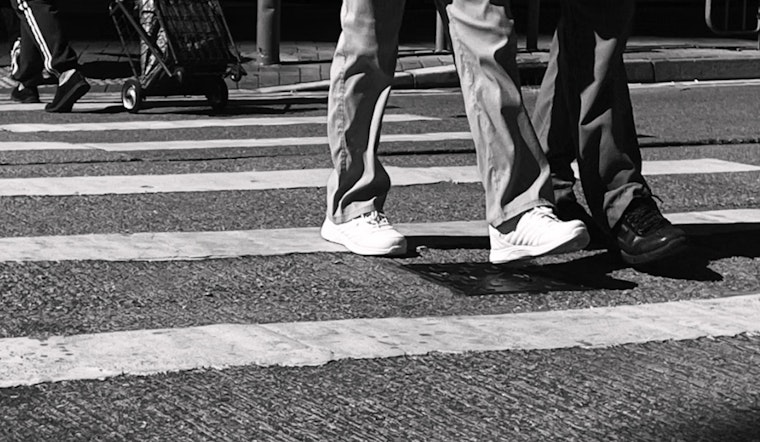
Texas is one of the deadliest places in the country to get around on foot, according to a new state-by-state analysis that pegs the state at roughly 827 pedestrian deaths a year. The grim tally tracks with what residents of Texas’ biggest metros see every day on the ground: fast, car-first roads running straight through dense, rapidly growing neighborhoods. For local safety advocates, the numbers only sharpen the case for street redesigns, slower speeds and targeted fixes on the most dangerous corridors.
What the ranking found
According to the San Antonio Current, which reported on an analysis by Wilk Law, Texas averages about 827.2 pedestrian deaths a year and accounts for roughly 10.8% of all U.S. pedestrian fatalities. That puts the state near the top of the national list for people killed while walking. The analysis also calculates a per capita rate the authors say is higher than expected for Texas’ population size, while ranking Minnesota among the safest states in the comparison.
Official counts and national context
State crash records show slightly different totals. The Texas Department of Transportation’s annual summary lists 810 pedestrian fatalities in 2023. Nationally, the Governors Highway Safety Association estimates Texas had a pedestrian fatality rate of about 2.63 deaths per 100,000 residents in 2023, with preliminary 2024 state data around 2.45. The U.S. rate sits a bit lower, which underscores that Texas remains above the national norm even as numbers shift year to year.
Big-city disparities
The Wilk Law figures and local reporting highlight sharp differences between metro areas. The study found that someone walking in Houston or Dallas faces a risk several times higher than a pedestrian in Minneapolis. City officials and working groups have zeroed in on those trouble spots. For example, The Dallas Morning News has covered Dallas leaders describing the city as one of the most dangerous large Texas cities for people on foot.
Why experts point at highways and growth
Researchers and safety advocates see familiar culprits behind the numbers. They point to sprawling, auto-oriented development, high-speed arterials that cut through neighborhoods and rapid population growth that outpaces investment in sidewalks, crossings and traffic calming. The GHSA analysis also calls out nighttime crashes, hit-and-runs and the growing share of larger vehicles on the road, trends that layer extra risk onto pedestrians in Texas and across the country.
What local governments are doing
Across the state, cities and transportation agencies are trying to chip away at that risk with targeted projects. The City of Houston, for instance, accepted about $28.79 million in federal SS4A funding to overhaul a roughly seven-mile stretch of Bissonnet Street, a corridor long known as one of the city’s deadliest for people walking. Local advocates say quick-build redesigns, better-marked crosswalks and lower speed limits are the kinds of changes most likely to finally bend the fatality curve downward.
For San Antonio and other Texas metros, the takeaway from the latest data is familiar but more urgent than ever: the numbers give elected officials and transportation agencies fresh evidence to prioritize walk-friendly design and enforcement on high-injury corridors. Until those fixes scale up across the network, people on foot will continue to shoulder a disproportionate share of the state’s road deaths.





