

























































Delhi Township leaders are asking residents to sign off on a new 3.2-mill fire and EMS levy on the May 5 primary ballot, saying the money is needed to close an estimated $1 million operating gap and keep emergency services funded for the next four years. The levy is projected to raise about $2.3 million a year and would cost homeowners roughly $112 per $100,000 of appraised value. Fire Chief Doug Campbell says rising costs, from protective gear to health insurance, have squeezed the department's budget and could force staffing cuts if voters turn the measure down. Township officials note that a 1.99-mill levy passed in 2023 has already fallen short, which is why they are now asking for a more permanent revenue stream.
What voters will see on May 5
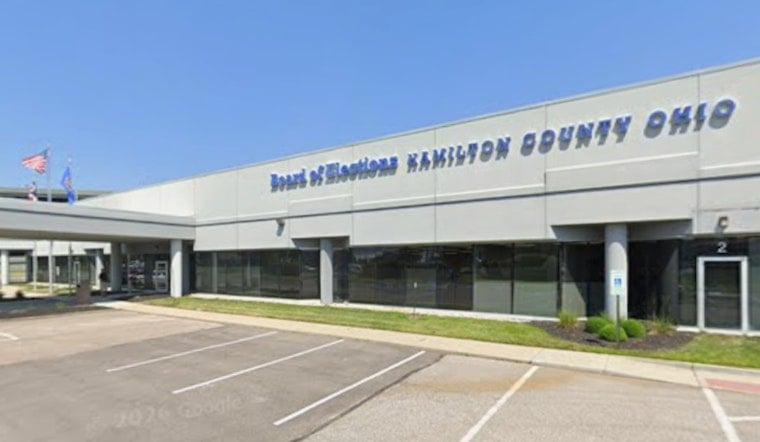
The Hamilton County ballot proof lists an additional 3.2-mill tax for Delhi Township to provide fire and emergency medical services. The county auditor estimates first-year collections at about $2,345,268 and confirms the projected $112 per $100,000 cost to homeowners. The question appears on the May 5, 2026 primary ballot as a continuing levy that would begin collecting in 2026, with first payments due in 2027. According to the Hamilton County Board of Elections, the levy needs a simple majority to pass.
Officials' pitch to voters
Fire Chief Doug Campbell told WCPO that the department is currently facing about a $1 million shortfall and that "Everything is much more expensive." He warns that without new money the township could slip back to staffing levels similar to those after a failed levy in 2005, when stations were closed and response times grew longer. Campbell stresses that personnel costs drive about 85 percent of the budget, so significant cuts would almost certainly come from staff, which in turn would mean slower responses and potentially higher fire loss.
Budget pressure: insurance and staffing
Township documents and the department's levy presentation say personnel expenses make up roughly 85 percent of the fire budget, and health insurance for full-time staff has climbed about 77 percent since 2022. The materials show the department averages 11 on-duty personnel a day and handles around 12 incidents daily for nearly 29,000 residents. The 1.99-mill levy approved in 2023 was originally presented as covering 2024 through 2026, but township officials report that inflation and rising claims pushed the department into deficit after the first year. For detailed charts, the full presentation, and a 10-year service trend report, Delhi Township has posted the material online.
Campaign and timeline
A citizens group backing the levy has launched the Delhi Fire Levy website, which includes FAQs, yard-sign requests, volunteer information, and a link to Chief Campbell's recorded presentation. The campaign says a yes vote would restore a positive fund balance for at least two years and keep the department operating through 2030. The group, along with township officials, is holding outreach and informational events in the weeks leading up to the May 5 primary.
What a "no" vote could mean
Township materials point back to 2005, when failed levies led to the temporary closure of two fire stations and left much of Delhi relying on neighboring departments for coverage. Officials say it took nearly a decade to fully restore service. Current warnings suggest that if the levy fails, reduced staffing could lead to rotating "brownouts" of companies and longer response times, which heighten the risk of greater fire loss. For the township's account of the 2005 period and its 10-year trend analysis, residents can review the presentation and report on Delhi Township's site.
With the May 5 primary now three weeks away, Delhi voters are being asked whether to commit additional property-tax revenue to stabilize fire and EMS staffing and day-to-day operations. Township officials and levy supporters say the measure is meant to shore up emergency response, and residents can study the ballot language, township reports, and campaign materials before they head to the polls.





