

























































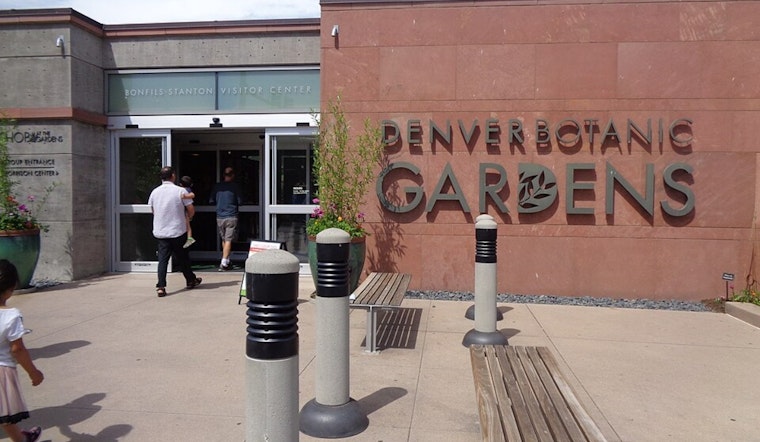
The Denver Botanic Gardens is hitting pause on its signature spring spectacle this year, shelving the annual tulip display after staff uncovered a destructive bulb disease in the beds that usually explode with color. The shutdown centers on the Annual Garden, a massed planting long estimated at roughly 10,000 to 15,000 tulips, which this season will feature other spring bulbs but no tulips at all while crews work to contain the problem.
In a statement to The Denver Post, Denver Botanic Gardens spokeswoman Erin Bird said the gardens will not stage the annual tulip display in 2026, citing a fungal disease called tulip fire and suggesting a vendor may have shipped in blighted bulbs in fall 2023. Bird told the paper that an unusually early spring can make fungal issues worse and that horticulture teams have been busy pulling affected material out of the beds. “It's still very beautiful and springy - but void of tulips,” Bird said.
What is tulip fire?
Tulip fire, caused by the fungus Botrytis tulipae, attacks leaves, flowers, and bulbs, leaving plants scorched, distorted, and weakened. The pathogen can linger on infected plant tissue and as tiny hardened sclerotia in the soil, which keeps the risk of reinfection high if tulips are replanted too quickly in the same spot. Horticultural authorities, including the Royal Horticultural Society, recommend removing infected material and avoiding replanting tulips in affected soil for at least three years.
When will tulips return?
Garden officials say the plan is to replant tulip bulbs in the Annuals Garden in fall 2028 so the beds can erupt again in spring 2029, Bird told The Denver Post. The beds, previously estimated at 10,000 to 15,000 flowers, will instead showcase thousands of daffodils, hyacinths and lilies this spring, followed by a bold run of dahlias in summer 2026, the gardens say. Other public gardens have grappled with similar outbreaks; the Brooklyn Botanic Garden skipped its flagship tulip border for multiple seasons after a comparable problem, a reminder that recovery is a long game.
What gardeners and visitors should know
Plant and soil experts advise digging out diseased bulbs along with the surrounding soil or waiting the full three years before putting tulips back into the same patch. Transplanting into clean pots with fresh compost is considered a safer short-term workaround. Shoppers are urged to inspect bulbs carefully before purchase, watching for black sclerotia or soft, decaying tissue, and to buy from reputable suppliers to lower the odds of importing pathogens, guides from the University of Arkansas Extension say. The gardens noted that smaller, longer-running tulip plantings that are not swapped out as frequently were not affected this year, although public programming tied to the blockbuster tulip beds will be tweaked until the garden is ready for replanting.
Visitors who had been plotting a tulip watching trip will still find plenty of spring color from daffodils, hyacinths, lilies, and early peonies, staff say. Horticulturists stressed that the priority now is restoring the Annuals Garden to a safe, show-stopping tulip display for 2029 while protecting the broader collections. For timing and exhibit details, check the gardens' official calendar before visiting.





