

























































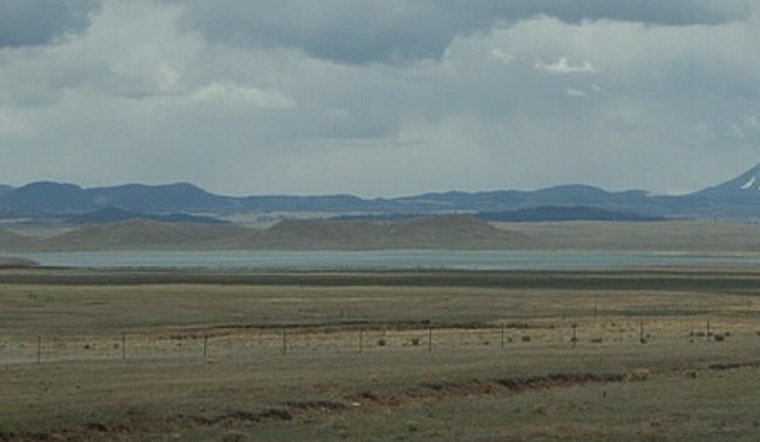
Antero Reservoir, a regular warm-weather getaway for campers and anglers, is going quiet for now. On April 20, Denver Water said it is temporarily shutting down all public recreation at the high-country reservoir, including camping and boat access, while it shifts water to Cheesman Reservoir as part of its drought response. The utility stressed that the closure is temporary, but how long it lasts will depend on how stubborn the drought turns out to be.
Nathan Elder, Denver Water’s manager of water supply, called Antero “a drought reservoir, designed to provide water to our customers during a severe drought.” To do that, the utility plans to move roughly 5,000 acre-feet of water, about one quarter of Antero’s storage, into Cheesman Reservoir to cut down on evaporation and protect available supply. Staff is also working with Colorado Parks and Wildlife to relocate fish before levels drop, details first reported by CBS Colorado.
Drought Steps Behind The Move
The shutdown at Antero follows a recent decision by the Denver Board of Water Commissioners to declare a Stage 1 drought. That declaration came with temporary drought pricing and outdoor watering restrictions that are meant to cut back on lawn watering and other outdoor use. The resolution and pricing plan, outlined by Denver Water, is designed to stretch reservoir storage and avoid tighter cutbacks later in the season.
How The Transfer Will Work
By consolidating more water into Cheesman Reservoir, which is larger and at a lower elevation, Denver Water expects to lose less to evaporation and to lean more on supplies from the South Platte Basin. That, in turn, reduces the need to pull already stressed transmountain water from the other side of the Continental Divide. The utility told CBS Colorado that drought conditions will ultimately decide when there is enough water to comfortably refill Antero and bring it back online for recreation.
What Anglers And Campers Should Expect
Under normal conditions, Antero’s recreation season runs from April 1 through November 30 for camping, with seasonal boating on top of that. At full pool, the reservoir holds about 20,000 acre-feet of water, according to Denver Water. With this operational closure, the utility says campsites and boat ramps will stay shut while the fish relocation and water transfer work are underway, and visitors should rely on Denver Water’s recreation pages for the latest word on access.
The move is a reminder that remote mountain reservoirs are working parts of a larger supply system, not just backdrops for a weekend away, and that drought operations can quickly ripple into local recreation plans. Denver Water is urging would-be visitors to follow official updates and start lining up alternative spots for spring and summer fishing and camping trips.





