

























































Detroit grocery runs are about to feel even rougher on the wallet, with another round of price hikes creeping onto store shelves. National and international data show key staples like sugar, vegetable oil and wheat are on the upswing, and the USDA now expects grocery store prices to rise again this year. After several years of post‑pandemic increases that already stretched family budgets, even a seemingly small jump can land hard in Detroit households where food eats up a big slice of take‑home pay.
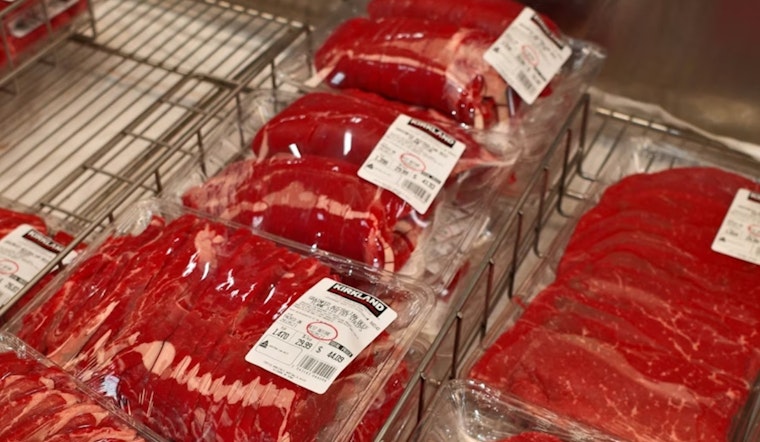
The USDA's Economic Research Service expects food‑at‑home prices to climb about 3.1% in 2026, and it flags beef and veal as the heavy hitters, projecting roughly a 10.1% increase that could make meat aisles especially painful. According to the USDA's Economic Research Service, several grocery categories are now on track to grow faster than their 20‑year averages, already showing up as higher price tags in many parts of the country.
Globally, the United Nations' Food and Agriculture Organization reports its Food Price Index rose 2.4% in March, with sugar, vegetable oil and wheat among the biggest month‑to‑month movers. The FAO says sugar jumped about 7.2%, vegetable oils roughly 5.1% and wheat around 4.3% in March. Those increases work their way into supermarket prices through higher processing, transport and input costs. See the FAO.
Closer to home, Midwest grocery prices have already climbed sharply since the start of the pandemic. Local reporting notes the "food at home" index in the region is now more than 31% higher than it was in January 2020, based on Bureau of Labor Statistics data. After that kind of long‑term run‑up, another one‑ or two‑percent national increase translates into very real pain at the register for many Detroiters. As ClickOnDetroit reported, the strain is obvious in stores across the Midwest.
Why Meat And Staples Are Getting Pricier
Behind the scenes, industry pressures are doing a lot of the damage. The U.S. cattle herd has shrunk and meatpacking capacity has tightened, pushing wholesale and retail beef prices higher. The Department of Justice has opened an investigation into cattle procurement practices, while major processors have trimmed operations or closed plants in recent months. Analysts say those supply shortfalls and capacity cuts are a recipe for continued price pressure at the meat counter. Reporting from the Associated Press lays out the supply and processing gaps that are now hitting shoppers in the checkout line.
How Detroit Shoppers Can Stretch A Budget
Shoppers are not powerless in all of this, even if it can feel that way in the dairy aisle. Small tactics add up: opting for store brands when quality is similar, timing bigger purchases around digital coupons, and using club or discount stores for long‑shelf‑life items can all shave dollars off a weekly bill. Swapping proteins when beef prices spike, or building a meal plan around what is on sale instead of what sounds good in the moment, can make the increases a bit less brutal.
Consumer Reports and local reporting have highlighted practical strategies, from paying attention to unit pricing on the shelf to leaning on loyalty apps and planning meals around store sale cycles. For a detailed rundown of specific money‑saving moves that Detroiters are already using, see the guide from ClickOnDetroit.
Local context also shapes how hard these prices hit. Michael Greiner, an associate professor of management at Oakland University's School of Business, focuses his academic work and public commentary on how economic changes filter into household budgets and business decisions, including why price pressures land unevenly across income groups. His background is outlined in his profile at Oakland University.
What To Watch Next
For anyone trying to read the tea leaves, the key indicators are USDA's monthly CPI updates, ERS food‑price outlooks and the FAO food‑price releases. Any further spike in energy or fertilizer costs, or more disruption in meatpacking, could send grocery inflation higher than current expectations. Policymakers and competition regulators are likely to keep close tabs on the meat sector as investigations and plant changes continue to reshape supply and markets. The next rounds of data from the USDA ERS and the FAO will be early signals of whether the pressure is easing or tightening.
For now, Detroiters should be prepared for a bumpy stretch at the grocery store rather than a sudden collapse in prices. Steady pressure in certain categories, especially meat and pantry staples, will likely keep households shopping more carefully, hunting for sales and thinking twice before tossing extras into the cart. In the short term, old‑fashioned habits like price checks, strategic meal planning and a little brand flexibility are still the best tools for fighting back at the register.





