

























































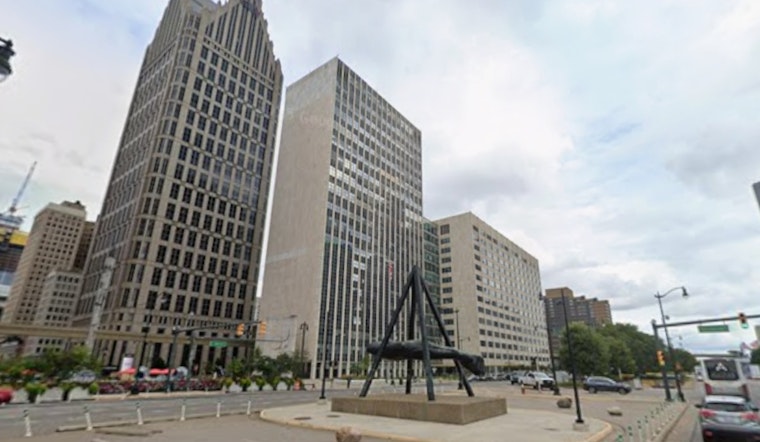
Detroit is finally closing in on the official end of its historic municipal bankruptcy, with city lawyers preparing to ask a federal judge this week for an order that would formally wrap up the Chapter 9 case. The request comes more than 13 years after the city first filed for protection and roughly a decade after its plan of adjustment took effect, and it would clear the last administrative items from the court’s docket.
According to The Detroit News, the city has started distributing about $10 million in accrued interest tied to Class 14 "B" notes and expects to seek a final decree today. City spokeswoman Stephanie Davis told the paper that attorneys are planning to submit the motion by today, adding that the interest payments cover accruals from June 2025 through March 26.
As reported by Crain's Detroit Business, the step is mostly procedural, tidying up paperwork and closing the docket, but it also represents a symbolic finish line for a long and frequently bitter chapter in Detroit’s financial history. Crain’s notes this is the last formal move needed to put the 2013 insolvency in the city’s rearview mirror.
Final distributions and who's getting paid
The latest round of payments goes to holders of the recovery "B" notes and other unsecured creditors. One of the biggest checks, about $4.46 million, is headed to AFSCME members, The Detroit News reports. The outlet also notes that Wayne County is slated to receive just over $1 million, while three state agencies will divide roughly $583,931 tied to pre‑bankruptcy claims. These are the final court‑supervised distributions connected to the 2013 filing.
A long road back
When Detroit sought Chapter 9 relief in July 2013, it became the largest municipal bankruptcy case in U.S. history. The city’s plan of adjustment was later confirmed, and the court approved exit financing that allowed Detroit to reorganize its operations and debts. Per PR Newswire and subsequent coverage, the plan incorporated a maze of settlements, including the much-discussed "Grand Bargain," designed to protect key assets and stabilize pensions and city services.
Hoodline has previously detailed how the bankruptcy reshaped the city’s legal and financial landscape, including protections for the Detroit Institute of Arts collection in the years after confirmation.
What closing the case means for Detroit
A final decree would end the court’s administrative oversight of post‑confirmation payments and formally close the case file. It would not, however, wipe away the long‑term fiscal obligations that were created or reshaped under the plan of adjustment. City officials and bond analysts say Detroit has rebuilt its access to credit and adopted more disciplined budgeting since exiting bankruptcy, but legacy pension and limited‑tax commitments remain and will continue to be handled through regular budget and statutory processes, according to The Bond Buyer.
Next steps
Once the city files its motion for a final decree, a judge in the U.S. Bankruptcy Court for the Eastern District of Michigan will decide whether any lingering administrative or creditor issues still require court involvement. Local leaders say the remaining distributions, followed by an order closing the docket, would bring an administrative end to a fiscal saga that reshaped Detroit’s government, its balance sheet, and the way it manages money going forward.





