

























































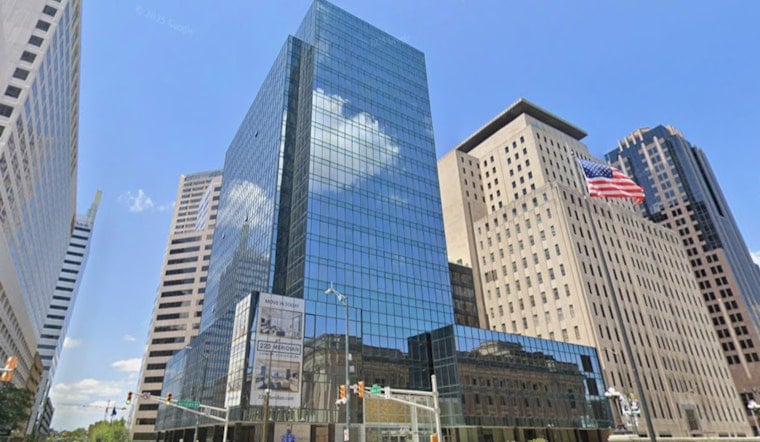
Downtown Indianapolis is quietly trading in its sleepy 9-to-5 vibe as old office towers and empty blocks get remade into apartments and boutique hotels. Over the past several years, developers have been gutting underused office floors and rebuilding them as places to live and stay, shifting the feel of the core from business district to actual neighborhood. From Monument Circle to Massachusetts Avenue, the conversion wave is already changing what downtown looks and sounds like after dark.
According to WTHR, an analysis by JLL shows roughly 1.2 million square feet of downtown office space has been converted to residential or hotel use in the last five years. That re-use is soaking up vacant floors and at the same time creating more demand for everyday neighborhood services, like grocery options, bars and restaurants, that help support a round the clock downtown instead of one that empties out at quitting time.
One of the marquee makeovers is 220 Meridian, a 20-story tower just north of Monument Circle that Keystone Corp. turned into more than 260 apartments after an estimated $80 million overhaul, the Indianapolis Business Journal reported. City records and IBJ reporting show municipal incentives totaling about $16.7 million supported the project and a nearby hotel conversion. Developers told IBJ that retrofitting elevators, plumbing and fresh air systems can make these projects technically tricky, but often still more economical than starting from scratch with new construction.
Hotel Conversions and Historic Rehabs
Keystone’s renovation of the 1926 Illinois Building into the InterContinental Indianapolis is one of the most high profile examples of office to hotel reuse in the city. The luxury property reopened after a landmark restoration, CoStar reported, taking a chunk of outdated office space off an already oversupplied market. Industry judges praised the project for threading a tough needle: preserving historic architectural details while still turning the building into a modern hotel that can actually fill rooms.
Neighborhoods Are Responding
As reported by WTHR, people on the ground say the shift is already obvious at street level. "Conversions change downtown foot traffic from weekday patterns to a more consistent 24/7 presence," broker John Vandenbark told the station. Resident Joanna Lee said she would choose to live downtown because she likes Massachusetts Avenue’s walkable feel, hinting at why these projects keep coming. WTHR also quoted a hospital worker who said he searched within a two to three mile radius of the new IU Health campus when he went hunting for housing, showing how big institutional projects are tugging residents closer in.
Why Conversions Make Economic Sense and Why They’re Hard
Brokers and industry analysts say the easiest buildings to flip are older structures with smaller floor plates and plenty of windows, which lend themselves naturally to apartments and hotel rooms. Deep plan office towers often require expensive mechanical re engineering to make interior spaces livable, a hurdle that can sink a project’s budget before it starts, Colliers notes. Those tradeoffs help explain why so many conversions are targeting mid century or historic buildings instead of newer glass towers, even though the modern high rises may be the ones with the biggest blocks of vacant space.
What’s Next
Large public and institutional projects are also reshaping demand. Construction on the $4.3 billion IU Health downtown hospital complex is moving ahead and the Indianapolis Business Journal reported it is roughly 60 percent complete, a milestone that many developers say will keep office conversion opportunities attractive. If hospitals, convention center expansions and hotel rehabs keep funneling people into the core, brokers expect more owners to weigh turning underperforming offices into homes or hospitality.
For now, the conversions are quietly knitting new residents into Indianapolis’ center city and nudging the Mile Square toward a true 24/7 neighborhood. The next test will be whether retailers, transit and city services can keep up as people move into blocks that not long ago went dark at 5 p.m.



