

























































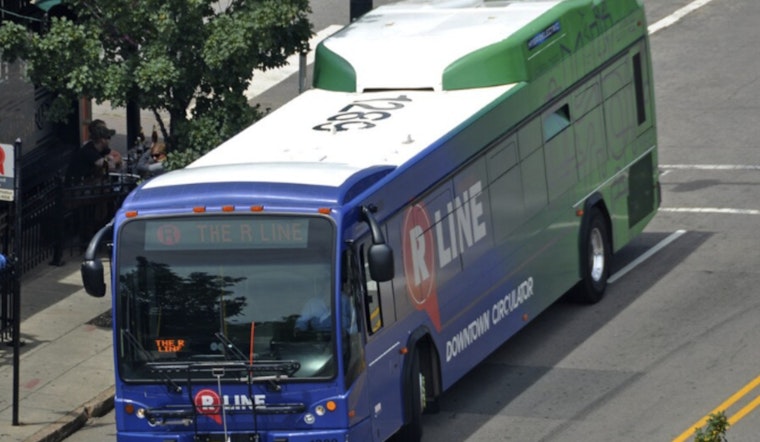
Raleigh’s downtown circulator, the R‑Line, is looking a lot less secure these days as transit officials openly question whether a stand-alone downtown loop still earns its keep. Once a free, frequent shuttle threading through the heart of downtown, the route now attracts only a slice of its pre-pandemic crowd. City transit staff are drafting scenarios for the Raleigh Transit Authority and City Council that could shrink, reroute or scrap the circulator altogether.
Ridership by the numbers
About 3,700 riders boarded the R‑Line in February, according to Axios, which cited a recent snapshot from GoRaleigh. A February 2019 performance report counted roughly 10,516 R‑Line trips that month, per GoRaleigh, a drop of about 65 percent.
Why the route has struggled
Ridership trouble did not start with COVID. According to the City Manager's update, numbers began slipping after ride‑hailing services showed up, then slid further when scooters and bikeshare arrived. The pandemic and remote work then thinned out weekday downtown traffic even more.
The same update notes that downtown’s residential population has grown, while many short trips have shifted to walking or micro‑mobility. Driver shortages and service interruptions also slowed any R‑Line comeback. Staff say that reworking the service would require a roughly six‑month process that includes a Title VI equity analysis and endorsement by the Raleigh Transit Authority before any City Council vote.
Fare changes and the economics
GoRaleigh resumed fare collection in 2024, and its current menu lists a single‑ride ticket at $1.25 and a day pass at $2.50, with digital payment available through the Umo app, according to GoRaleigh. The return of fares stripped away one of the circulator’s calling cards, the free ride, although officials still point to competition from scooters, bikes and rideshares as a primary drag on usage.
To soften the hit, GoRaleigh has rolled out reduced and income‑qualified passes, along with free travel for enrolled youth and some seniors in designated programs, per GoRaleigh.
What officials say and next steps
City transportation spokeswoman Andrea Epstein told Axios that R‑Line ridership "is low" and that the Raleigh Transit Authority is "in conversations about revisioning" downtown bus service. For now, officials frame the talks as exploratory and say no formal plan is on the table. If staff ultimately recommend changes, they will bring reprogramming options to the RTA and then to City Council for consideration.
What riders would lose
The R‑Line currently ties together a cluster of downtown anchors, including the convention center, GoRaleigh and Union Station, the State Capitol and several key dining and entertainment corridors, making it a handy hop for visitors and short local trips, according to GoRaleigh. Supporters say that footprint matters for tourism and downtown commerce. Critics counter that Raleigh’s limited transit dollars should chase higher‑ridership routes that move more people across the city.
City staff say they plan to bring reprogramming options to the Raleigh Transit Authority and City Council in the coming months. Until a decision lands, the R‑Line will keep circulating on its current schedule while Raleigh decides whether a visitor‑friendly downtown perk is worth the cost in a system under pressure to do more with less.





