

























































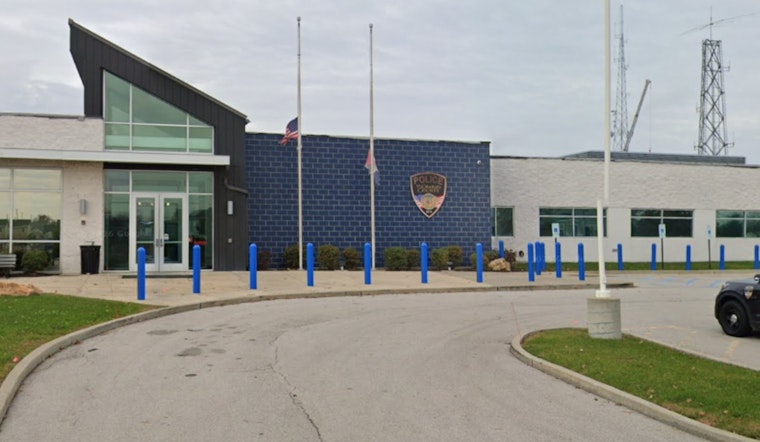
Drones in the air, spike strips on the pavement, Metro Air Support circling above and a wall of patrol cars on the ground. That is the playbook for the Gateway task force, a multijurisdictional police squad that started in St. Charles County and has now spread into parts of St. Louis County, pulling together dozens of officers to hunt stolen cars, seize guns and narcotics, and chase down fleeing suspects.
Officers and prosecutors say the mix of real-time intelligence, saturation patrols and tougher bond requests is already showing up in arrest numbers and cleared warrants. The operation, now made up of more than two dozen municipal and county agencies, was recently profiled in a video feature by KSDK, which described the unit as relying on “technology, teamwork and higher bonds” to curb crime in St. Charles and St. Louis counties. Local reporting shows the team has grown since 2021 and now pulls specialized units and regional air support into coordinated operations, according to Spectrum News.
How the task force operates
The Gateway Regional Criminal Interdiction Task Force grew out of a St. Charles County auto-theft unit and now layers specialized resources on top of targeted patrols. A 2025 press release from Maryland Heights explains that the task force brings together K-9 teams, spike strips, drones, air support and a regional intelligence center to track suspects in real time.
The same release notes that the model was built to plug in regional drug-task personnel at the traffic-stop stage, so narcotics investigations can begin as soon as officers make an arrest. What started as a focus on stolen vehicles has widened into a broader mission that includes guns and drugs, with the intent of following cases beyond the traffic stop and deeper into the criminal networks behind them.
On-the-ground results so far
Embedded operations with reporters have turned those tactics into a steady stream of cases. In one June 2025 operation, the task force seized four stolen vehicles, two firearms and made 25 arrests while clearing dozens of warrants, Spectrum News reported.
When First Alert 4 rode along with the unit during a February enforcement push, department data from that single night showed 17 felony arrests, 22 guns run through checks and a pile of summonses and drug arrests. The message from officers on those shifts was simple enough: if you are driving a stolen car or running drugs through these corridors, odds are increasingly bad that you slip through.
Legal tools and higher bonds
On the courtroom side, prosecutors in both counties say they are pairing that enforcement with sharper legal tools. They are asking judges for higher bonds and leaning on recent Missouri law changes, including tougher penalties for breaking into cars while armed and the 2024 “Valentine’s Law,” which elevated fleeing from police to a felony, according to First Alert 4.
“People think when they get arrested, sometimes they're going to be released,” St. Charles County Prosecuting Attorney Joe McCulloch told First Alert 4. His office says it is routinely asking judges for higher bond in task force cases in order to keep high-risk suspects in custody rather than cycling them quickly back onto the street.
What this means for residents
Task force materials and county data point to measurable changes since the model was adopted. The task force release notes roughly a 44 percent drop in stolen vehicles and a 61 percent decline in overdose deaths in St. Charles County over the period it tracks. Local newsletters and official communications also highlight the Regional Information and Intelligence Center as a force multiplier that ties in live video and license-plate reader hits, according to St. Charles County.
Officials say that is part of why they keep pushing the basics, like locking vehicles and signing up for community camera programs, even as the high-tech gear grabs more attention. The pitch is not subtle: the more data points the center has, the faster officers can find stolen cars and suspects before another victim is added to the list.
Leaders involved with the task force say the goal is to cut repeat victimization rather than chase splashy headlines, and they expect the integrated unit to keep expanding as more agencies sign on. For a ground-level look at the tactics and technology now in play on local roads, residents can check out the video profile by KSDK alongside recent reporting from Spectrum News and First Alert 4.





