

























































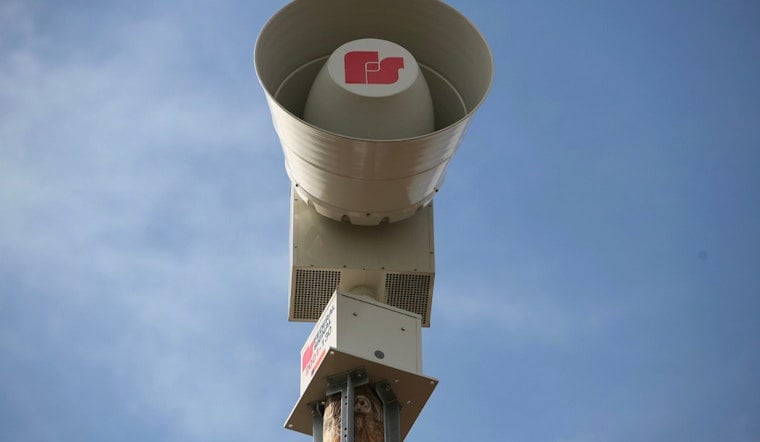
When severe storms tore through eastern Oklahoma this week, a key line of defense went quiet. Outdoor warning sirens in several rural communities did not fire as expected, leaving residents to count on old-school tactics like officers shouting over vehicle PA systems and volunteers knocking on doors. The scare has lit a fire under local officials, who are now rushing to harden their siren networks and double down on backup alerts.
Siren Failures Left Some Towns Blind To Storms
In the town of Kiowa, one outdoor siren failed right as a tornado warning hit. Kiowa Police Chief Jess Wilson told Fox23, "The tornado was basically on top of us before we tried to activate." According to the station, crews later repaired the faulty units, and first responders had been manually spotting storms in real time when the system failed.
Okmulgee County Fast-Tracks Solar Sirens
Okmulgee County officials were not waiting for the next round of storms. After recent outages, the county moved quickly to purchase its first set of new outdoor warning sirens with federal support, county emergency director Jeffrey Moore told KJRH. The $248,000 plan will put six solar-powered, steel-mounted sirens at several school districts and a county barn. Officials say the systems can run off the grid and are designed to accept automatic National Weather Service activations so there is less scrambling when warnings are issued.
Power Outages And Maintenance Gaps
State emergency managers say widespread power outages during recent storms were at the root of many siren failures and slow activations, according to the Oklahoma Department of Emergency Management. The state Emergency Operations Center activated on April 23 as outages spread across the region, and local cities such as Muskogee are now publicly reviewing what went wrong with their siren timing, per KRMG.
Why Sirens Are Not Enough
Emergency experts have been saying it for years: outdoor sirens are meant to catch people who are outside, not serve as the only alert system a community relies on. That is especially risky overnight when most residents are indoors and asleep. Federal guidance from FEMA stresses using multiple alert paths, including Wireless Emergency Alerts, NOAA Weather Radio and broadcasters. Local officials also told Fox23 that a dedicated weather radio or a trusted station app makes solid backup for those nights when sirens fail or power flickers.
What Comes Next
Counties across the region are now leaning into upgrades and redundancy plans, rather than treating sirens as a set-it-and-forget-it system. In Okmulgee County, officials say installations on the new solar units should start roughly 10 to 12 weeks after the grant is finalized, according to KJRH. Emergency managers say their priorities for the rest of the spring severe weather season include tying sirens to automated National Weather Service triggers, maintaining cellular and radio backups, and sticking to regular testing schedules so the next round of storms does not catch anyone off guard.





