

























































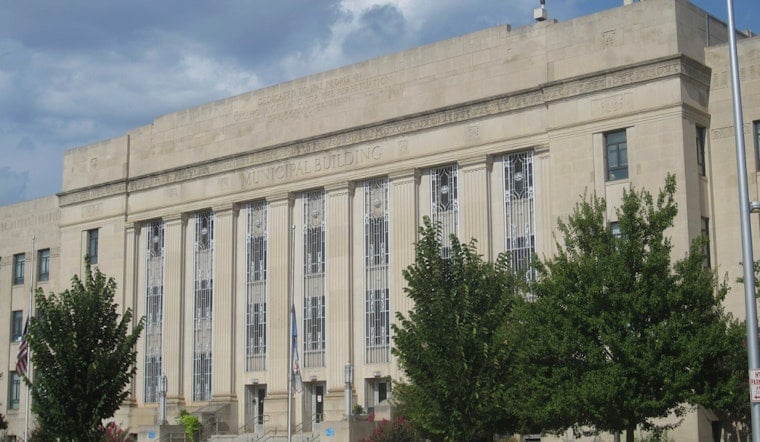
William Henry Jamerson walked out of prison a free man and later walked away from City Hall with a staggering $26.25 million settlement. Now, his legal team says the State of Oklahoma will not cut him the much smaller statutory check he is still entitled to as an exonerated man.
Attorney says state refused to cut a check
Jamerson’s lead lawyer, Dan Smolen, says he sent a formal notice to the Oklahoma Attorney General’s Office seeking the $50,000-a-year wrongful-incarceration award and got radio silence in return. That non-response, he says, prompted his team to file a claim. As reported by KJRH, Smolen said, “The state is on the hook for the statutory amount of $50,000 per year, and they’re simply just refusing to pay it.”
City already paid a record settlement
According to a Tulsa City Council resolution, the council signed off on a lump-sum $26.25 million payment to Jamerson in November 2025 to end his federal civil-rights lawsuit. Council documents show an agreed judgment was entered in U.S. District Court and ordered that the money be paid from the city’s sinking fund to Jamerson and his attorneys. That landmark settlement came after a judge vacated Jamerson’s 1991 convictions when DNA testing ruled him out as the source of the biological evidence at the heart of the case.
The law and the math
Oklahoma revised its wrongful-incarceration statute in 2025 with HB 2235, which set compensation at $50,000 for each year a person was locked up for a crime they did not commit, along with extra provisions for time spent on parole or on death row, according to the Oklahoma Legislature’s text. Jamerson spent about 24 years in prison, which would come to roughly $1.2 million under the statute based on his time served.
Allegations about evidence handling
In Jamerson’s complaint and in investigative records, Tulsa Police Department staff are accused of repeatedly telling defense lawyers and prosecutors that crucial biological evidence had been destroyed, even though related items later turned up during a property-room search. The National Registry of Exonerations and court filings describe how DNA testing of recovered slides cleared Jamerson by excluding him as the source. And, as KTUL noted, “to date, no one has been held to account over the evidence scandal.”
What happens next
Jamerson’s lawyers say they filed their claim only after the Attorney General’s Office declined to agree to the payment and failed to offer a clear explanation. The AG’s office told local reporters it would not comment on pending litigation. Tulsa County District Attorney Steve Kunzweiler told KTUL, “well, that’s for a court to make that determination.” The lawsuit will test whether the new statute creates something close to an automatic payout for someone judicially found actually innocent, or whether each claim will become a fresh fight with the state.
The case is poised to draw attention across Oklahoma as an early test of the 2025 law and of whether city settlements and state compensation truly function as separate remedies for people who were wrongfully locked up. Jamerson’s team frames the dispute as a matter of money and accountability, and it will now fall to local officials and the courts to decide how the new rules work in real life.





_-_184.jpg)