

























































In Eden Valley, the corks were practically flying this week after AES Corp. backed off its "Seguro" battery-storage proposal, a project that had stirred months of anger for putting hundreds of lithium-ion containers next to homes and Palomar Medical Center. With the application withdrawn, a roughly 22 to 23-acre parcel at 925 Country Club Drive, plus a small blue house by a barn that was once headed for demolition, is suddenly in limbo. Neighbors gathered to toast what many called a hard-earned win for safety.
According to FOX5 San Diego, AES has asked San Diego County to pull the plug on the Seguro project application. The company also lists the proposal and previous design figures for the site on its own project page, per AES.
What Was on the Table
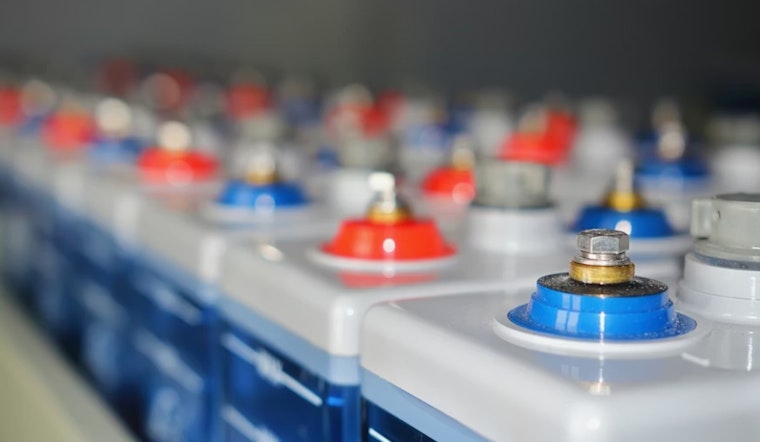
The plan targeted about 22 to 23 acres at 925 Country Club Drive and would have scattered roughly 220 to 230 container-sized battery units across the property, according to local permitting documents and neighborhood reporting. Earlier design materials and media coverage put the facility's capacity at about 320 to 400 megawatts, or roughly 1,280 to 1,600 megawatt-hours, which would have made it one of the largest battery-storage projects ever floated near residential zoning in San Diego County, as reported by The Vista Press.
Why Neighbors Fought Back
Residents argued that the project's size and its proximity to homes created unacceptable safety and health risks, so they launched petitions, planted protest signs and packed public meetings in a bid to stop it. "I thought, 'That can't be right,'" resident and former power project developer Joe Rowley told The Coast News, as town council leaders pushed county supervisors to set buffer requirements before greenlighting any similar battery sites near neighborhoods.
What Happens Next
Even before AES stepped back, county supervisors had been weighing new safety rules and buffer-zone options for battery-storage facilities after a series of regional fires. Those policy talks now carry extra weight as officials decide how future projects should be sited, according to reporting on an amendment for safer battery sites. With the Seguro application withdrawn, the environmental review and permit process under CEQA is on ice for now, but county staff and locals say the broader fight over where and how to build battery projects is far from over.
For the moment, the lot's future is uncertain, and neighbors say they will keep a close eye on any new proposals. Residents told FOX5 San Diego that AES backing away feels like a welcome reprieve, not a final victory.





