

























































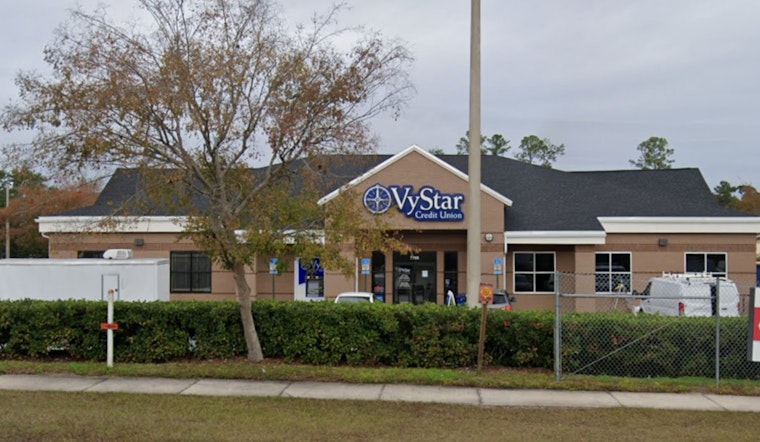
A Jacksonville man says a single phone call this week came within a hair of wiping out his bank account, sending him scrambling to cut off transfers and contact his bank. He told reporters the caller sounded exactly like a bank representative and pushed him through a series of urgent steps that almost handed over control of his money. For regular folks, it is a blunt reminder of how quickly one convincing call can turn into a serious financial mess.
As reported by First Coast News, the station’s piece includes video of the call along with the victim’s description of how the scammer leaned on impersonation and urgency to push him into following instructions that could have opened the door for thieves to move money out of his accounts. The report frames the incident as a sophisticated scheme that local residents should be on alert for right now.
How the Scam Works
Scammers routinely spoof real-looking phone numbers, pressure people to confirm one-time passcodes, or trick them into turning on call forwarding or similar settings that reroute verification calls. The Federal Trade Commission warns that impostor calls asking for one-time passwords, login credentials, or demanding payment through gift cards, cryptocurrency, or peer-to-peer payment apps are major red flags and should be treated as scams. The FTC’s advice is straightforward: hang up, then call your bank using a phone number you already trust instead of any number the caller gives you, and never share passwords or verification codes with someone who contacts you out of the blue.
Local Warnings and Recent Alerts
Local outlets and consumer advocates across Northeast Florida have been issuing similar warnings. Reporting from WJXT has highlighted how pop-up messages and spoofed “bank” calls can quietly funnel unsuspecting customers to phone lines controlled by scammers, while utility JEA has urged customers to “slow down, verify” and to avoid using any phone number provided by an unexpected caller when talking about payments or refunds.
What to Do If You Were Targeted
If you suspect you were targeted, immediately stop any payments, reach out to your bank to block or reverse transfers, and change your login credentials. File a complaint with the FTC at reportfraud.ftc.gov and with the FBI’s Internet Crime Complaint Center at IC3; those reports help investigators identify patterns and can be crucial if banks or law enforcement later try to recover stolen funds.
Scam tactics shift quickly, so it is wise to check your accounts regularly, set up banking alerts, and coach everyone in the household to hang up and call financial institutions back using official numbers. If money was taken, consider placing fraud alerts on your credit reports and contact local law enforcement to document the crime while you work with your bank and the federal complaint portals.





