

























































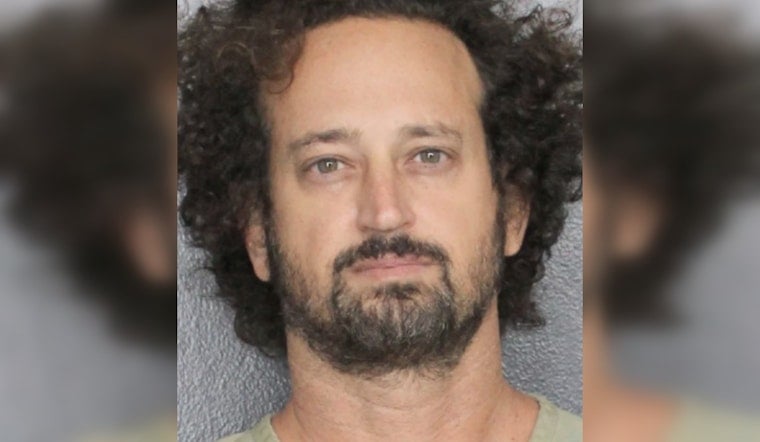
Charlie Adelson is not getting a do-over. A Florida appeals court on Wednesday rejected his push for a new trial and left intact his 2023 convictions in the 2014 killing of Florida State University law professor Dan Markel. A three-judge panel found the record did not show juror bias and ruled that several key defense complaints were not properly preserved for appeal. Adelson remains in custody serving a life sentence plus decades on related counts.
What the court said
In a written opinion, the First District Court of Appeal affirmed Adelson’s convictions and denied his motions for resentencing and a new trial, concluding that the defense had failed to follow required procedural rules. The panel, Judges Lori S. Rowe, Thomas D. Winokur and M. Kemmerly Thomas, wrote, "On this record, Adelson has failed to show that the trial court encountered difficulty in seating an impartial jury," according to the court’s opinion posted by Justia. The opinion faulted defense counsel for leaning on oral arguments instead of filing the written motions needed to preserve some issues for appellate review.
Backstory and sentence
Adelson was convicted by a Leon County jury on Nov. 6, 2023, of first-degree murder, solicitation and conspiracy after roughly three hours of deliberation, and he was sentenced on Dec. 12, 2023, to life in prison plus consecutive 30-year terms on the remaining counts, as reported by Law&Crime. Prosecutors say the convictions stem from a murder-for-hire plot tied to a bitter custody dispute, and trial evidence included witness testimony and financial records that linked payments to co-conspirators. Leon Circuit Judge Stephen Everett imposed the sentence after hearing victim impact statements from Markel’s family.
How the appeal played out
At oral argument in February, Adelson’s lawyers contended that extensive pretrial publicity had tainted the jury pool, but the appellate panel refused to find fundamental error because the defense had not properly preserved its objections in the trial court. Local coverage of the February hearing notes that Adelson did not appear and that attorney Michael Ufferman framed the venue claim during the argument, according to WCTV. CourtTV also covered the July ruling and the panel’s conclusion that the record showed the trial court individually questioned well over a hundred prospective jurors.
What’s next
With the First District’s ruling in place, Adelson’s legal team still has technical options. They could seek rehearing at the district court or file a notice to invoke discretionary review in the Florida Supreme Court, with those steps and deadlines controlled by Florida’s appellate rules. Rehearing motions and petitions for discretionary review are the standard procedural routes available after an adverse DCA decision under the state’s appellate guidance for practitioners.





