

























































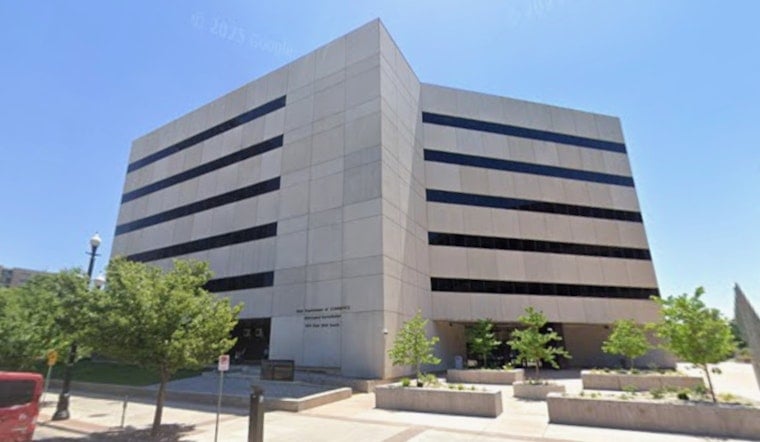
Utah homeowners tired of surprise HOA fees and foggy board decisions are getting a formal audience at the state level. Officials have launched a new working group to dig into complaints about homeowners' associations, from last-minute special assessments to questions about how boards share information. The panel is set to spend much of 2026 on a statewide listening tour and could float policy changes for lawmakers to consider in the 2027 legislative session.
In a news release, the Utah Department of Commerce said the group, convened by the Office of the Homeowners’ Association Ombudsman, will bring together homeowners, association representatives, industry experts, and government officials to spot common trouble spots and potential fixes. Participants named in the release include Erin Rider, director of the Ombudsman office, Steve Waldrip, the governor’s senior advisor for housing strategy and innovation, and several state lawmakers. The department also noted that roughly 80% of new home construction in Utah is governed by HOAs, and said the findings are expected to shape policy work ahead of 2027.
HOAs are becoming more common across the country, putting extra pressure on both buyers and existing owners. Realtor.com found the share of listings tied to an HOA has climbed in recent years, and that new construction is especially likely to fall under association control. State leaders say that national shift helps explain why Utah’s high share of HOA-covered homes is now a housing affordability and consumer-choice concern close to home.
Lenders, reserves and why the timing matters
Recent moves in mortgage underwriting are putting extra scrutiny on HOA balance sheets. In March 2026, Fannie Mae issued Lender Letter LL-2026-03, in coordination with Freddie Mac guidance, tightening condominium project standards and reserve requirements. Stricter rules around reserve funding can make conventional financing harder to get for buyers in underfunded associations, a headache for both sellers and would-be homeowners. State officials say those industry changes are one reason a neutral, broad review of HOA practices and Utah law is landing on the agenda now.
Law behind the office
The Ombudsman office itself was created by legislation passed in 2025. Utah Legislature records show that House Bill 217 established the Office of the Homeowners’ Association Ombudsman, set up an HOA registry, and gave the office authority to issue advisory, nonbinding opinions on potential violations of state law. Those advisory opinions do not control what courts can decide, but the statute lays out limited circumstances where they can influence later litigation outcomes and attorney-fee awards.
What the working group will study
Officials say the new panel will focus on transparency, reserve funding, dispute-resolution processes, registration rules and how fees work, including late charges and special assessments, while collecting stories and feedback from homeowners around the state. For initial details and resources, residents can review the Department of Commerce news release and the Ombudsman’s information page at the Utah HOA site.
How homeowners can weigh in
Members of the public are encouraged to watch for listening-tour dates and local meeting announcements as the schedule is posted. Local outlets covered the launch and are expected to carry updates on where and when the group will visit different communities. For reporting on the rollout and the concerns state officials highlighted, see coverage by KVNU, and check the Ombudsman site for instructions on how to submit HOA concerns directly.
State leaders describe the working group as an information-gathering first step rather than an overnight rewrite of HOA law. The goal, they say, is to develop practical recommendations that protect homeowners without making it impossible to run legitimate community associations. Homeowners with urgent disputes can still contact the Ombudsman’s office for guidance under the existing statute, while the group’s findings are expected to clarify whether lawmakers should pursue further legislative changes in the 2027 General Session.





