

























































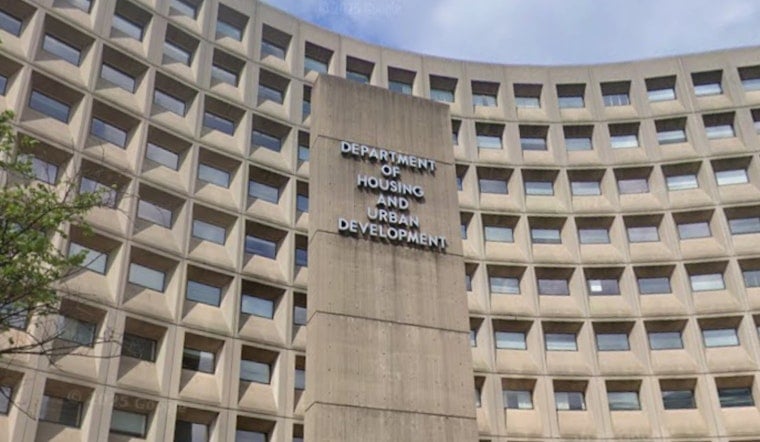
A federal appeals court last Wednesday threw a major lifeline to Santa Clara County’s homelessness response, refusing to let the U.S. Department of Housing and Urban Development roll out sweeping new rules on Continuum of Care grants. County leaders say the ruling protects nearly $48 million in annual federal housing aid and keeps more than 2,500 local residents in permanent supportive housing.
The Boston-based First Circuit declined HUD's request to lift a lower court injunction, finding that implementing the new funding rules immediately would risk immediate and widespread disruption to programs and people who depend on them. Judges warned that letting the changes move forward could shut down service providers and push residents out of housing they only recently secured. As reported by Smart Cities Dive, the court concluded that the potential harms outweighed the administration's push for a stay.
Santa Clara County joined the multi-jurisdiction lawsuit in December and said the ruling means local programs can keep operating without sudden cuts or chaos. County Counsel Tony LoPresti called the decision a victory for the rule of law and said it keeps more than 2,500 people in Santa Clara County stably housed. According to Santa Clara County, the CoC awards provide roughly $48 million a year to cover rent and supportive services for vulnerable residents.
The Fight Over HUD’s New Rules
Last fall HUD abruptly scrapped the two-year Notice of Funding Opportunity that had been set to govern FY2025 awards and replaced it with a new NOFO that critics said would cap permanent housing at about 30 percent and shift money toward transitional programs with new strings attached. Providers warned the new point system would reward projects that lined up with the administration's policy preferences while punishing long-tested “housing first” models. As detailed by SFGATE, the guidance sparked a lawsuit from Santa Clara County and dozens of partners.
Local Stakes, National Ripple Effect
Continuum of Care grants are a central federal funding stream for permanent supportive housing nationwide and, advocates say, keep nearly 200,000 people stably housed. In Santa Clara County, CoC dollars make up a critical slice of the homelessness response system and support thousands of residents who might otherwise fall back into homelessness. National coverage of the lawsuit has underscored how communities around the country feared the rule changes would ripple through their programs and providers, potentially disrupting services on a large scale, as reported by AP News.
Local nonprofits did not hide their relief. “Maintaining this program is essential,” Jennifer Hark Deitz, CEO of People Assisting the Homeless, told SFGATE, noting that CoC-funded efforts are what move people indoors and provide the case management that keeps them there.
What HUD Plans To Do Next
HUD has signaled it is not backing down. The department said it will continue, alongside the Justice Department, to defend the contested policy changes in court. In a press release, HUD confirmed that it plans to appeal rulings that block implementation and will pursue every legal avenue to reform the homelessness system, according to HUD. The legal battle could drag on for months as both sides press their arguments.
Legal Outlook And Funding Safety Net
The district court previously found that HUD’s sudden pivot to a new NOFO violated the Administrative Procedure Act, describing the switch as a slapdash imposition of political whims, a line that has echoed through coverage of the case. Courts at both levels are now weighing the administration’s policy goals against the risk of destabilizing existing housing, a balance that will determine whether the injunction becomes permanent.
At the same time, Congress tucked language into recent appropriations that directs HUD to renew existing CoC projects when awards are delayed, a move that complicates the administration’s push to roll out the new rules, according to NACo and other coverage.
For now, local providers and tenants will stay under the long-standing CoC rules while the lawsuit plays out. County officials say they will keep pressing HUD and the courts to avoid funding gaps that could jeopardize rent payments, and the county’s communications team plans to closely track developments and coordinate with partners to minimize disruption for households that rely on CoC support.





